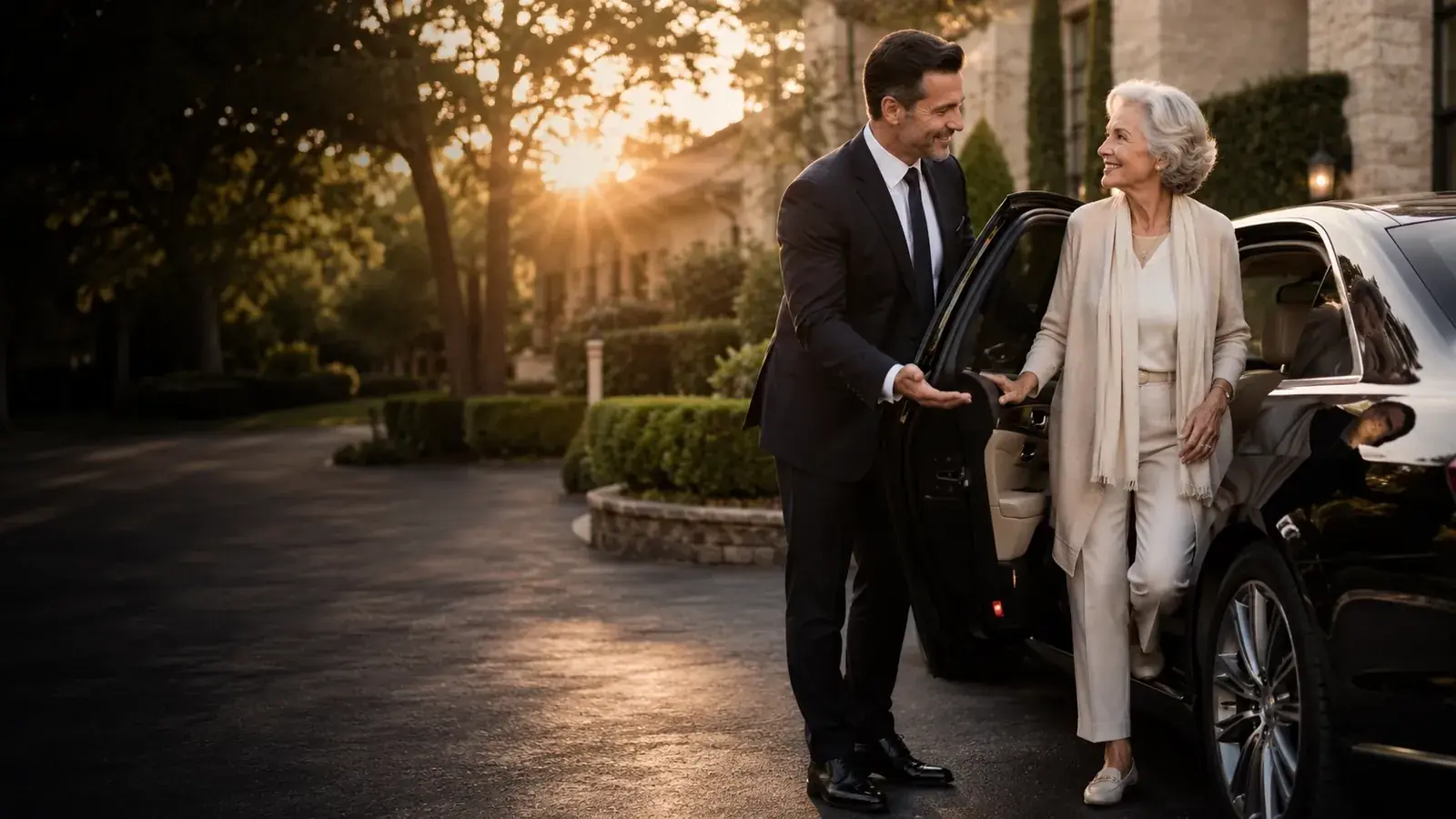
Private driver helping an older woman from her car outside her home.
Senior Transportation

Trusted drivers for seniors, cared for like family.

Your car, protected. Your trust, earned. The Your Car Our Driver promise.
Good for: doctor visits · errands · family outings Service area: Orange, Los Angeles & Riverside Counties
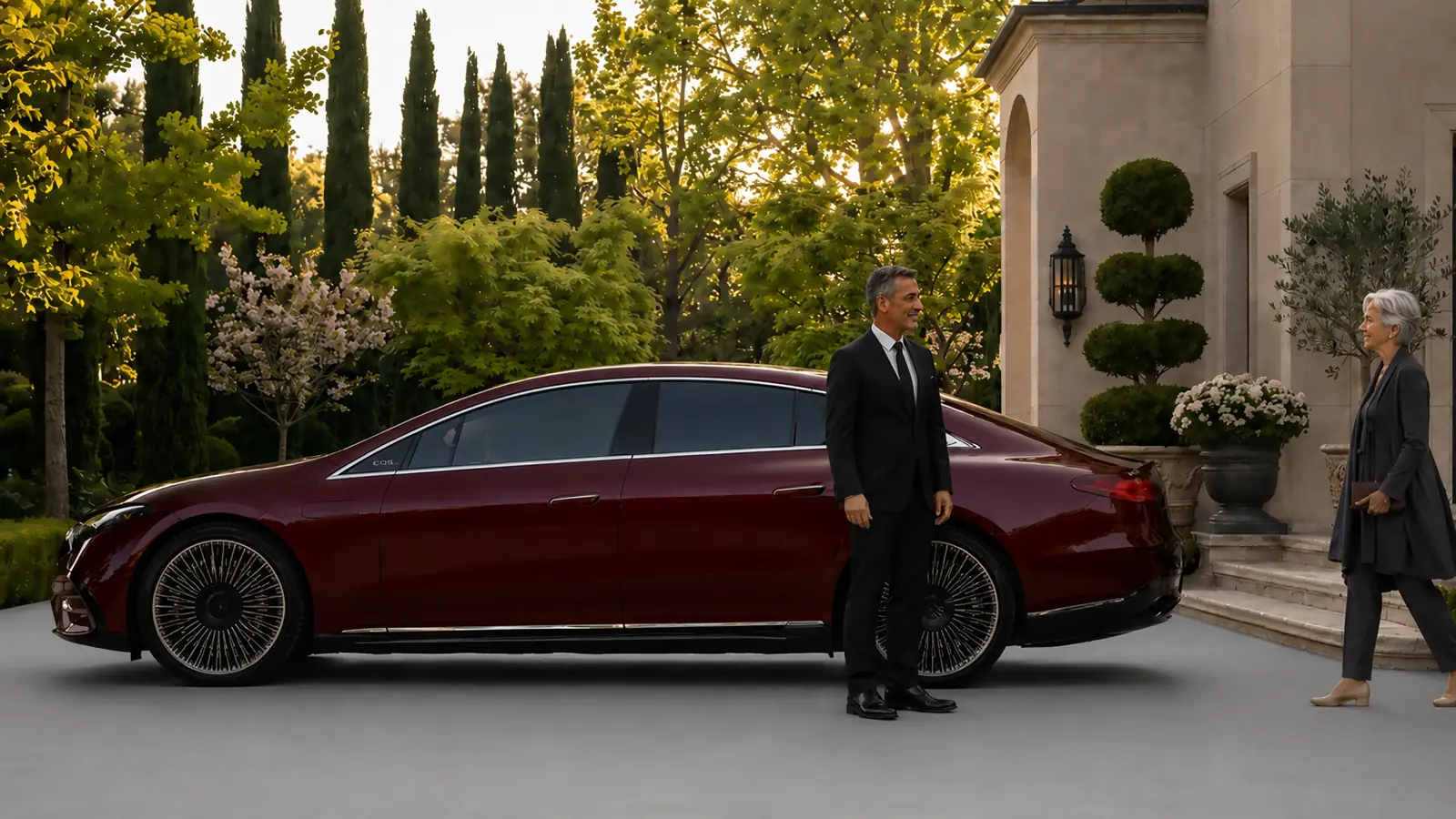
Private driver waiting beside an older woman's burgundy sedan at her home.

Trusted with the car that matters most to you.

Their own car, always

Your parent is driven in the vehicle they know and trust, comfortable and familiar, never a stranger's back seat from an app.

The same familiar driver

Request the same private driver each time, so a face your parent recognizes is at the wheel on every trip.

Vetted W-2 employees

Our drivers are employees, not gig contractors, with thorough background checks and the accountability that comes with both.

You arrange, we handle it

Book on your parent's behalf, give us the details, and we take care of everything from pickup to home.

How a senior trip works

From their front door, and safely back again.

A familiar private driver arrives at your parent's home, helps them to the car, takes them where they need to go, waits as long as it takes, and brings them home safely in their own vehicle.

Pickup
A familiar face arrives
At their home, on time
Door to door
A steadying hand
Helped in and out of the car
During
We wait, however long
No rush, no meter anxiety
Ready
Whenever they are
We are right there
Home
Safely home
In their own car

You are never out of the loop. Arrange the details once, reach us directly any time, and trust that the same familiar driver is taking good care of your parent from pickup to home.

What we quietly take off your plate

The worry of getting Mom or Dad there, handled.

A different stranger every time

Don’t depend on whoever is closest. We send the same vetted private driver your parent has come to know, in their own car.

No one to call when it matters

App drivers come and go with no accountability. With us, the same vetted private driver handles the trip and our concierge is a direct call or text away.

Coordinating it all yourself

You give us the details once and we handle the rest, whether it is a one-time outing or a standing weekly trip.

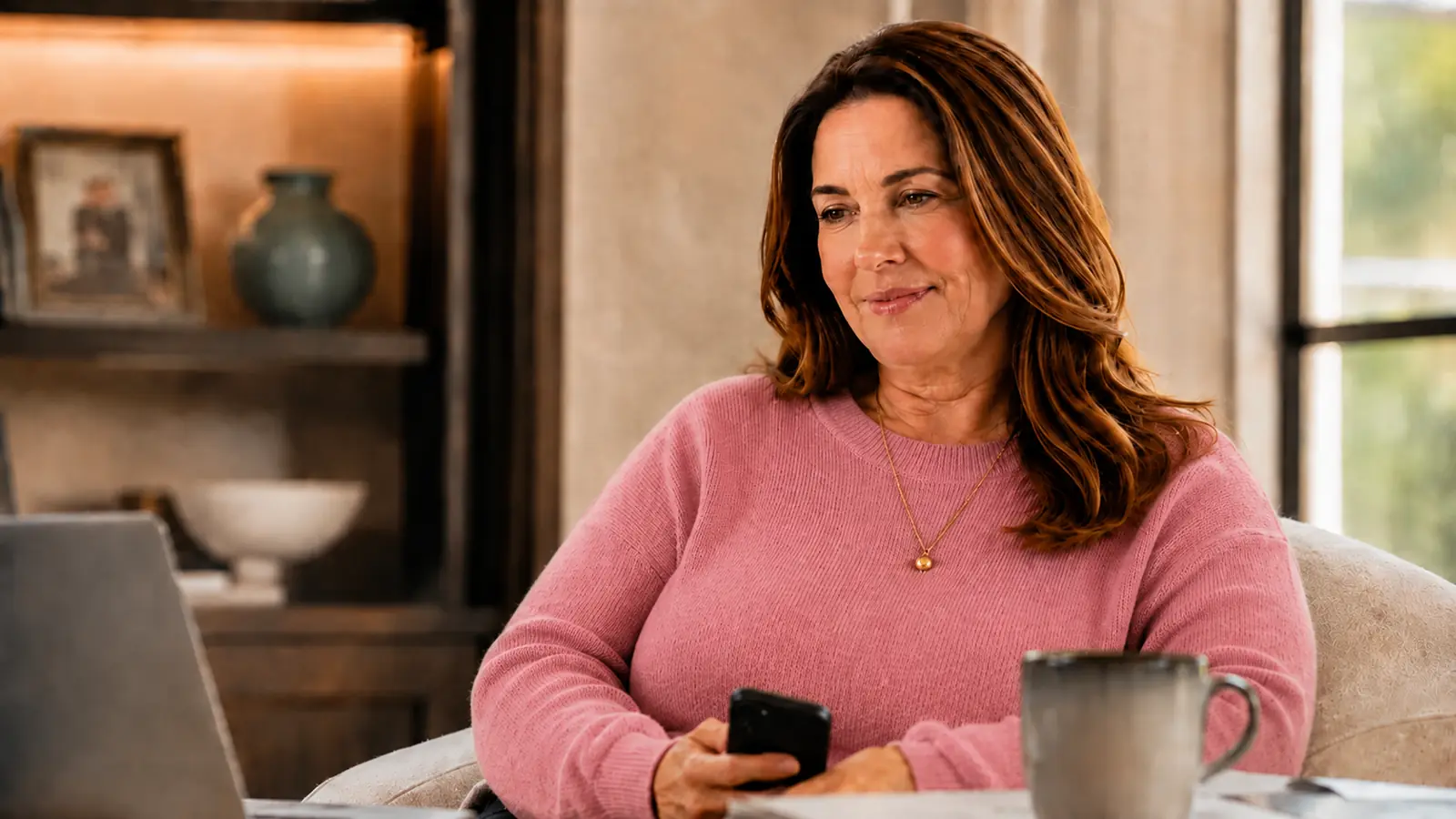
Woman has peace of mind after arranging a private driver for an older family member.
Arrange it once from anywhere, and stay in the loop from pickup to home.
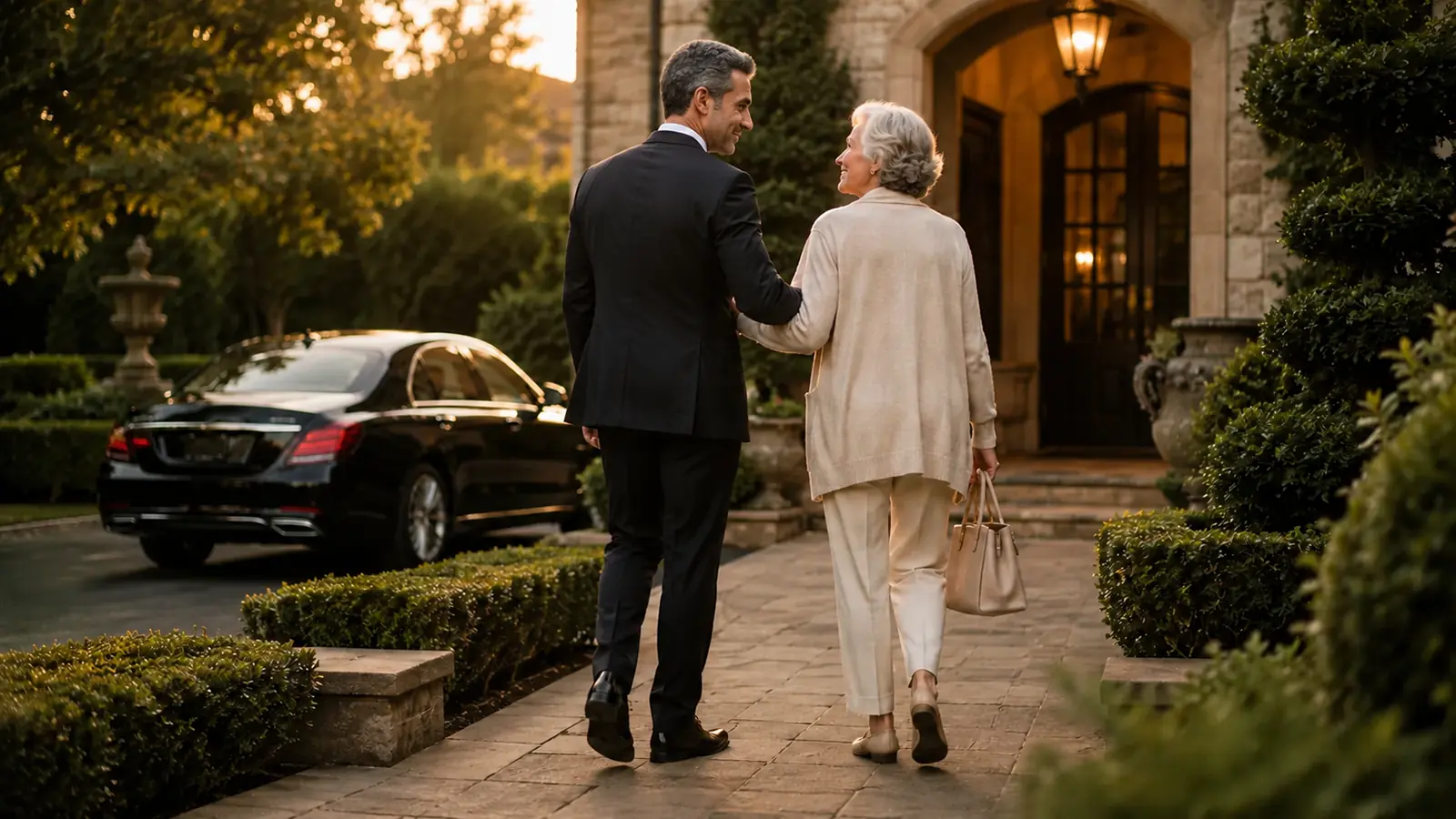
Private driver assisting an older woman along the walkway to her front door.
Comfort and familiarity

Their own car, and a face they know.

Seniors do best with what is familiar.

Your parent is driven in their own vehicle, with a private driver they recognize, never a rotating stranger from an app. It is the comfort of a known car and a known person, every single time.

  • The car they trust. No unfamiliar vehicle to climb into, just their own seat, set up the way they like it.
  • A driver they know. Request the same private driver each time, so trust builds trip after trip.
  • Unhurried, patient service. No meter anxiety and no rushing. Your parent is helped at their own pace.
  • Commercial insurance and full coverage. Background-checked, DMV records continuously monitored, and covered by ongoing drug and alcohol screening. We carry commercial insurance arranged for private drivers operating client-owned vehicles.
★★★★★ 5.0 100% 5-star Google reviews

Hover to pause and read

Touch to pause and read

Senior Transportation Should Protect Independence

Medical visits still matter. Groceries still need to come home. Lunch with friends, a haircut, a religious service, a family birthday, and an afternoon with grandchildren still belong to ordinary life. Senior transportation works best when it supports those choices without making the passenger feel that every outing has become a favor to request. Your Car Our Driver places a company employee in the senior's own automobile. The passenger keeps the seat, step height, climate settings, belongings, and personal environment already chosen. The person at the wheel handles traffic, parking, and the return, while the older adult keeps the day centered on where they want to go and how they want to spend their time.

Senior and Child Transportation Serve Different Needs

Child Transportation is governed by a parent or legal guardian. That service depends on school release rules, child restraints, age-appropriate supervision, approved adults, and carefully defined handoffs. A minor cannot carry the responsibility for resolving unclear authorization or changing a destination without adult approval. Senior Transportation begins with the older adult's independence and consent whenever the passenger can manage the arrangement. An adult child, caregiver, assistant, or household representative may help organize the calendar, but the senior remains an adult whose privacy, preferences, and decisions deserve respect. When a passenger needs supervision or another person has legal authority, those facts must be explained before confirmation. This difference keeps the page focused on aging with autonomy rather than school-day custody procedures.

The Senior May Book Directly

Many older clients contact us for themselves. They know which appointments are fixed, which errands can move, how they prefer their automobile arranged, and whether they want quiet or conversation. A direct booking allows the passenger to set the pace and communication style from the beginning. Another person can assist when the senior wants help with scheduling. The reservation should name everyone permitted to receive information, change a stop, approve additional time, or discuss billing. Family involvement can be valuable, but it should not create several competing versions of the same plan. One clear authority structure protects the passenger's choices and gives the company reliable instructions.

"We have built our reputation one client at a time. If any part of your experience falls short of what you expected, I will make it right. You have my word, and every client has my mobile number."

Adult Children Can Arrange the Details From Anywhere

A son or daughter may live across town, in another county, or outside California. That person can help organize a specialist visit, weekly grocery stop, lunch, or family gathering. Provide the home address, automobile information, authorized contacts, schedule, mobility notes, and expected conclusion. We then review whether the assignment fits ordinary passenger transportation. The family should also decide how the parent will receive updates and who should be contacted first if timing changes. Some seniors want every message sent directly to them. Others prefer an adult child or assistant to coordinate. The communication plan should reflect the passenger's wishes and any lawful authority already in place.

The Passenger Defines What a Good Week Looks Like

One person may want a quiet morning for banking and groceries. Another may place a bridge group, a salon appointment, and dinner with family at the center of the week. Senior transportation should begin with that individual pattern instead of assuming that every booking concerns health care. Ask which commitments bring purpose, which errands are tiring, which times of day feel best, and which activities the passenger does not want to surrender. The result is a calendar built around the older adult's life rather than a list created only for the convenience of other people.

A Familiar Vehicle Can Make the Day Easier

A known sedan or SUV offers more than convenience. The passenger already understands its door opening, seat height, handholds, climate controls, and storage. A cane, folding walker, sweater, water, shopping bag, or cushion can remain in the place selected by the client. The older adult or household chooses the vehicle. It must be registered, insured, lawful, fueled or charged, and in safe mechanical condition. Tell us about a low entrance, high step, unusual control, manual transmission, garage procedure, gate, charging connection, or mechanical concern before the date. Familiarity helps only when the automobile is also suitable for the passenger and assignment.

Continuity Can Reduce the Burden of Repeating Preferences

An older passenger may appreciate an employee who already recognizes the preferred conversation level, walking pace, garage procedure, seat position, regular market entrance, and place where packages belong at home. Continuity can be requested, although availability cannot be guaranteed because illness, time off, existing reservations, and employee-hour limits can affect a date. When another employee is assigned, the office provides the confirmed passenger preferences and itinerary so the senior is not asked to reconstruct an ordinary routine from the beginning.

In a client's words
“I've certainly been pleased with my chauffeur Edward each time he's driven for me! He's very professional! I've had the pleasure of meeting him in years past, and continue to see if he's available for service”

★★★★★
Bobbie Stoval
Five-Star Google Review

A Single Outing Can Include Several Purposes

One reservation might connect a home with a laboratory, physician, pharmacy, grocery store, bank, salon, and lunch. Another may consist of one family visit with a long waiting period before the return. The plan is defined by the passenger's timing, access needs, energy, and the commitments that cannot move. List every known destination and identify the firm appointment. Flexible errands can then be placed around that anchor. If the passenger wants to remove a stop or return home earlier, direct communication keeps the schedule responsive without making the older adult feel rushed through the day.

A Personal Calendar Can Restore Anticipation

A recurring calendar can preserve the parts of the month an older adult looks forward to: a bridge table, book group, religious observance, volunteer shift, standing lunch, grandchild visit, haircut, or familiar market morning. The value is not repetition for its own sake. It is the ability to plan clothing, purchases, household access, spending money, and energy around something meaningful. Every date is confirmed separately, and the senior can pause or change the pattern. The calendar belongs to the passenger, not to a provider or family organizer.

Routine Can Matter More Than Distance

A nearby destination can still be difficult when the passenger must coordinate keys, a gate, a walker, packages, uncertain parking, and a return home. A longer outing can feel simple when the sequence is familiar. For that reason, the reservation should record the order the senior prefers, not merely the shortest mileage. Perhaps the grocery store follows the barber because cold items should not remain in the automobile. Perhaps lunch comes before the bank because the passenger has more energy earlier. These small preferences turn a calendar into a dependable personal routine.

Errands Remain Part of an Independent Life

Grocery shopping, a pharmacy collection, dry cleaning, banking, a post office stop, and personal shopping may look routine to everyone else. For an older adult who no longer wants responsibility for traffic or parking, these tasks can become the difference between relying on others and managing a familiar week. The senior can use the passenger time between stops for rest, calls, or conversation. Purchases remain in the client's own automobile until the final destination. If heavy or unusual items are expected, explain them beforehand so we can determine whether they fit the vehicle and the scope of the assignment.

Shopping Days Need an Organized Home Return

A shopping assignment is not finished when the automobile reaches the residence. The senior may want grocery bags placed near a particular entrance, dry cleaning kept separate, a folding cart returned to the garage, or personal purchases left with a household employee. The booking should identify the final parking position and the person who will receive heavier items. Ordinary courtesy does not include household labor or extensive lifting, so unusual packages need advance discussion. A clear conclusion prevents the passenger from facing a new problem after a successful afternoon away from home.

More than 90% of our business comes from repeat clients.

Personal Appointments Deserve the Same Reliability

A salon, barber, tailor, hearing-aid office, optician, accountant, attorney, or financial adviser may be central to the passenger's routine. These stops often involve uncertain ending times and buildings where parking is separated from the most convenient entrance. Send the appointment time, business name, suite, access notes, and preferred passenger point. The automobile can be parked lawfully and repositioned after direct contact. That arrangement lets the senior finish at a comfortable pace without searching for the vehicle or reorganizing the return.

Lunch, Faith, Friends, and Family Matter

Senior transportation should not be described only through health care and errands. A meal with friends, worship service, club meeting, cultural program, bridge group, volunteer commitment, birthday, holiday, and afternoon with family all support connection. The ability to say yes to those plans can be as important as reaching another appointment. An evening may include a restaurant, theater, private home, or celebration followed by a later return. Give us the reservation time, host or venue, guest stops, expected conclusion, and any accessibility information. Coats, gifts, mobility equipment, and personal items stay with the passenger's own vehicle throughout the occasion.

Social Plans Can Continue Into the Evening

An older adult may attend an early dinner, a performance, a holiday gathering, or a grandchild's celebration and prefer a later return. The reservation should note the expected ending, the actual passenger exit, exterior lighting, gate instructions, and the household contact available after normal business hours. A social evening should not be treated as an exception to independence. It simply requires a more exact conclusion because a daytime front desk may be closed and the senior may want the automobile placed somewhere different at night.

The Senior Can Shorten or Reorder the Day

Energy can change after several stops. The passenger may decide to skip an errand, move lunch earlier, remain longer with a friend, or go home before the original estimate. When the senior can direct the itinerary, that decision should be heard without unnecessary negotiation among relatives. The office still needs prompt notice when a change affects reserved time or another fixed commitment. The purpose is a responsive schedule that respects the passenger's judgment while keeping authorized contacts appropriately informed.

Home Access Instructions Prevent Confusion

A street address may not reveal the entrance the senior actually uses. A residence can have a gate, call box, private lane, underground garage, elevator, side door, front desk, household staff, or a preferred place for the automobile. Darkness and similar building numbers can add uncertainty. The reservation should identify the lawful access method, key location, garage procedure, parking expectation, unit, building, and person available to answer a property question. Explain whether the passenger meets the employee at the automobile or needs ordinary courtesy between the entrance and the vehicle. Any physical assistance beyond that must be discussed before confirmation.

Your car, protected. Your trust, earned. The Your Car Our Driver promise.

Senior Communities and Assisted Living Have Their Own Procedures

Independent-living, assisted-living, continuing-care, and retirement communities may use reception desks, visitor logs, vehicle gates, designated passenger areas, and staff notifications. The community controls access and may require advance approval or a particular handoff process. Provide the property name, building, unit, resident telephone number, staff contact, visitor requirements, and correct entrance. If community staff or a caregiver must prepare the passenger or receive them afterward, confirm that responsibility directly with the facility. The transportation reservation does not replace the services promised by the residence or care provider.

Departure and Return May Use Different Community Handoffs

A retirement community may ask departing residents to meet near reception while returning automobiles enter through a resident gate or stop at another building. Staff may need advance notice to prepare a resident, but a different team may be present after dinner. Record the departure desk, return entrance, resident unit, staff telephone number, and any sign-in procedure for each part of the day. The employee should not guess that the morning arrangement remains correct after a shift change. Community personnel retain responsibility for the services they provide inside the property.

Several Relatives Need One Communication Plan

Concerned relatives can unintentionally create conflicting instructions. One person may change the return, another may add a stop, and a third may ask for updates the passenger did not authorize. Before confirmation, identify who may change the itinerary, who may discuss billing, who receives progress messages, and who should be contacted first if the plan becomes unclear. An adult child who pays does not automatically control every personal decision. The arrangement should reflect the senior's consent and any lawful authority already in place.

Seat Height and Cabin Arrangement Define the Useful Automobile

The household may have more than one suitable-looking car, but the senior may strongly prefer a particular seat height, door opening, handhold, climate setting, cushion, and place for a folding walker or cane. Record those cabin choices with the year and model before the date. A low sedan, tall SUV, narrow doorway, or full cargo area can change whether the passenger can use the automobile comfortably. The family chooses the car and provides any personal equipment. The company reviews whether the disclosed arrangement fits ordinary passenger service.

Transportation Is Not Caregiving or Nursing

Your Car Our Driver does not supply home-health care, nursing, medication management, feeding, toileting assistance, bathing, dressing, guardianship, or ongoing personal supervision. The employee's role concerns the client-owned automobile, the confirmed itinerary, and ordinary professional courtesy within that scope. A family should arrange an appropriate caregiver or medical companion whenever the senior needs assistance beyond transportation. The company may decline, pause, or end an assignment if a passenger's needs exceed what was disclosed, cannot be met safely in the selected vehicle, or require a licensed or specialized service.

Cognitive Concerns Require a Responsible Plan

Memory loss, disorientation, dementia, impaired judgment, or difficulty communicating can change what ordinary transportation requires. The authorized person must disclose concerns that may affect directions, consent, destination recognition, behavior, or a safe handoff. Do not assume a familiar automobile eliminates the need for supervision. When the senior cannot independently manage the itinerary, the booking must identify the adult with legal or practical authority, emergency contacts, departure and receiving parties, and the response if the passenger is not ready or becomes confused. Our service does not provide dementia supervision, guardianship, or custodial care. Another responsible adult may be necessary for the entire appointment.

Medical Visits Are One Part of a Larger Life

A senior reservation may include a physician's office, but this page is centered on independence rather than clinical scheduling. Send the exact medical address and appointment time when a health stop is included. Questions involving check-in windows, facility release rules, outpatient procedures, or recurring treatment belong in the dedicated Medical Appointments service description. The senior page remains focused on the person's wider week, including ordinary errands, relationships, interests, and the ability to decide what comes next.

Three Keys of Trust

Visibility

Share a live tracking link with anyone you choose so they can follow your vehicle's location in real time.

Communication

Reach your driver by cell.

Assurance

Reach our Chairman and CEO by cell.

The Client's Automobile Must Be Ready

The owner remains responsible for registration, insurance, maintenance, lawful equipment, and safe condition. Before the reservation, check tires, warning lights, fuel or battery range, mirrors, seat belts, and any feature important to the passenger. Remove hazards and make sure mobility equipment and personal belongings have a secure place. Provide the year, make, model, location, key or access process, transmission, and any unusual control feature. Sedans, SUVs, Genesis and Lexus models, Cadillac Escalades, Range Rovers, Lincoln Navigators, GMC Denalis, Chevrolet Suburbans, and select Rolls-Royce vehicles are among the automobiles clients may own. Approval depends on the actual vehicle and assignment, not the nameplate alone.

Hearing and Vision Preferences Affect Communication

A senior may hear more clearly on one side, rely on hearing devices, read messages slowly, avoid telephone calls, or prefer a large-print written schedule. Another person may have limited night vision and want every return completed before darkness. Explain the communication method and timing preference without sending unnecessary health history. The employee can face the passenger when speaking, repeat an itinerary change, or direct an approved update to the chosen contact. These practical choices help the older adult participate in the plan instead of having information pass around them.

Personal Spending and Purchases Remain With the Senior

The passenger or authorized companion remains responsible for money, cards, receipts, signatures, purchases, and decisions made at a store, bank, restaurant, salon, or professional office. The private driver does not manage an account, approve a transaction, choose a product, or hold financial authority. If a family uses a spending limit or prepaid method, that arrangement should be handled before departure. Packages can remain in the client's automobile, but valuable items should receive the same ordinary care the owner would use at any other time.

Company Standards and Clear Pricing

Your Car Our Driver has served Los Angeles, Orange, and Riverside Counties since 2007. Every private driver is a W-2 employee, not a gig contractor. Josef Wojtkow personally interviews each candidate. Each employee must have a minimum of two years of professional experience driving clients before joining the company, complete a background check, remain enrolled in continuous DMV record monitoring, participate in ongoing drug and alcohol screening, and sign a confidentiality agreement. Workers' compensation coverage applies. Every client receives the cell number of the assigned private driver and Josef. Rates, minimum time, gratuity, and known assignment expenses are explained before confirmation, with no surge pricing.

Reserve Senior Transportation Around the Person

Begin with the senior's preferred date, starting point, selected automobile, important commitments, flexible stops, expected conclusion, and final parking location. Add mobility equipment, property access, authorized contacts, community procedures, and the passenger's communication choices. Explain any assistance another person must provide. We will review whether the requested assignment fits ordinary passenger transportation, identify missing details, discuss availability, and provide the price before confirmation. A good reservation should sound like the senior's actual life, not a generic transportation form.

Step by step

Whatever your parent needs, we handle it.

A single outing
1

We arrive at their door

A familiar private driver is at your parent's home on time, in their own car, ready when they are.

2

To wherever they are going

The doctor, the salon, lunch with friends, or a family visit. Your parent is taken to the door with a steadying hand.

3

Safely home again

When they are ready, they drive home in their own vehicle, with nothing for them to arrange or coordinate.

A standing schedule
1

A reliable routine

For regular appointments or weekly errands, we arrange dependable transportation around your parent's schedule.

2

The same familiar driver

Request the same private driver each time, so a face your parent knows is always at the wheel.

3

Trusted care each time

Week after week, your parent travels with someone they have come to know and trust, and you stay informed throughout.

Private driver walking an older woman safely to her front door at sunset.
The trip ends where it matters most: safely back at their own front door.
Clear, consistent rates

Pricing you know before you book.

All prices include a 20% gratuity so your price is the total price.
Minimum booking: 3 hours (5 hours for reservations beginning at or after 6:00 p.m. on New Year's Eve).

More senior driver questions?
Standard vehicle

Your Sedan or SUV

  • First 8 hours$60 / hour
  • After 8 hours$93 / hour
Larger vehicles

Your Van, Sprinter or Limousine

  • First 8 hours$66 / hour
  • After 8 hours$105 / hour

There is no surge pricing, so your rate stays the same whether it is a weekday, a weekend, or a holiday. For an exact quote on your parent's trip or a standing weekly schedule, call or text our concierge.

Questions about senior transportation service?

Search our answers, or jump straight to the senior transportation questions.

See all senior transportation questions →
Reserve Your Private Driver

Ready when you are.

Use the Make a Reservation button to book online. Prefer to talk now? Call, text, or email, we respond right away.

Serving Orange County, Los Angeles County, and Riverside County. A private driver for whatever your plans are, in the comfort of your own vehicle.