Let the Game Define the Day
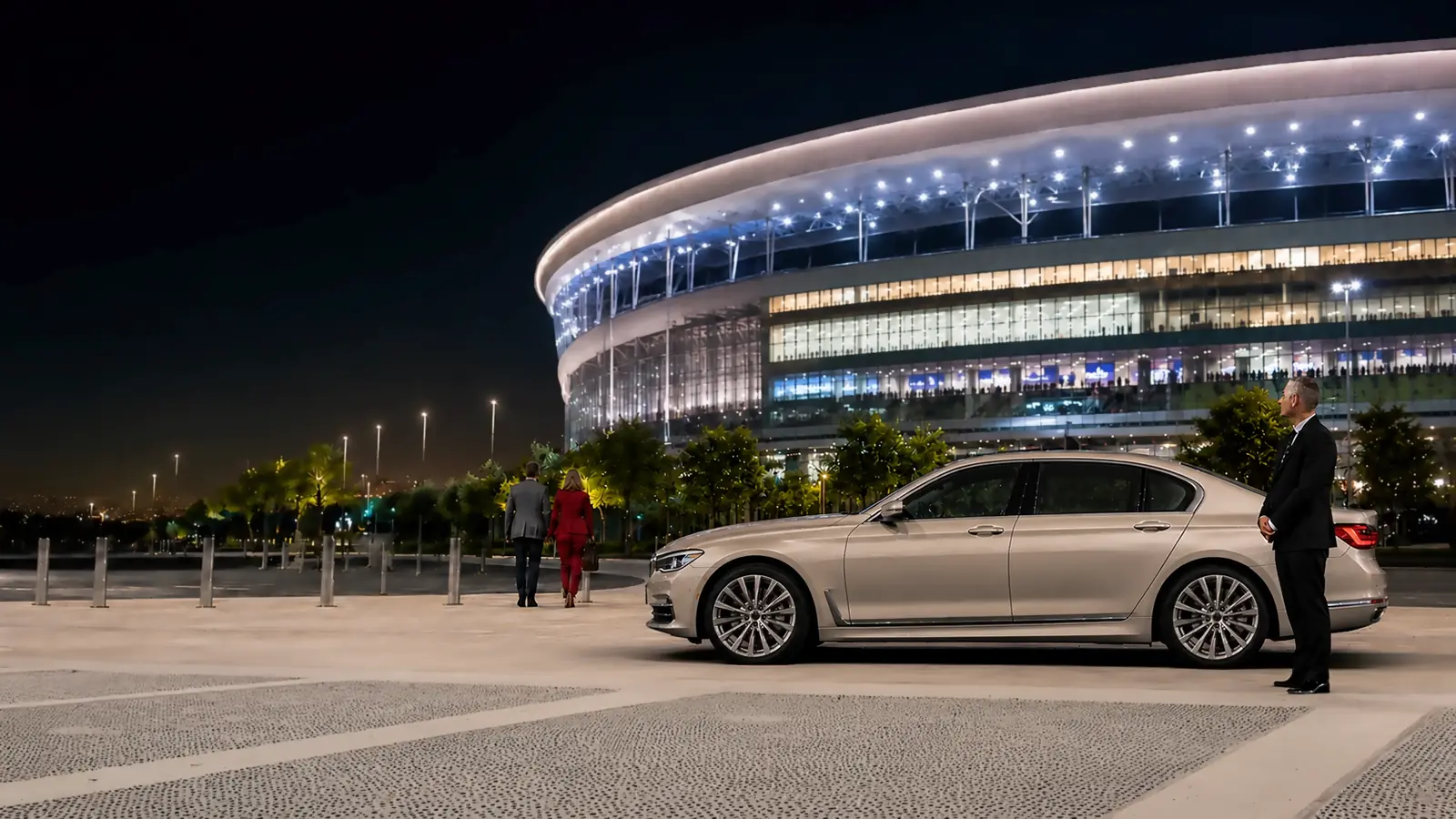
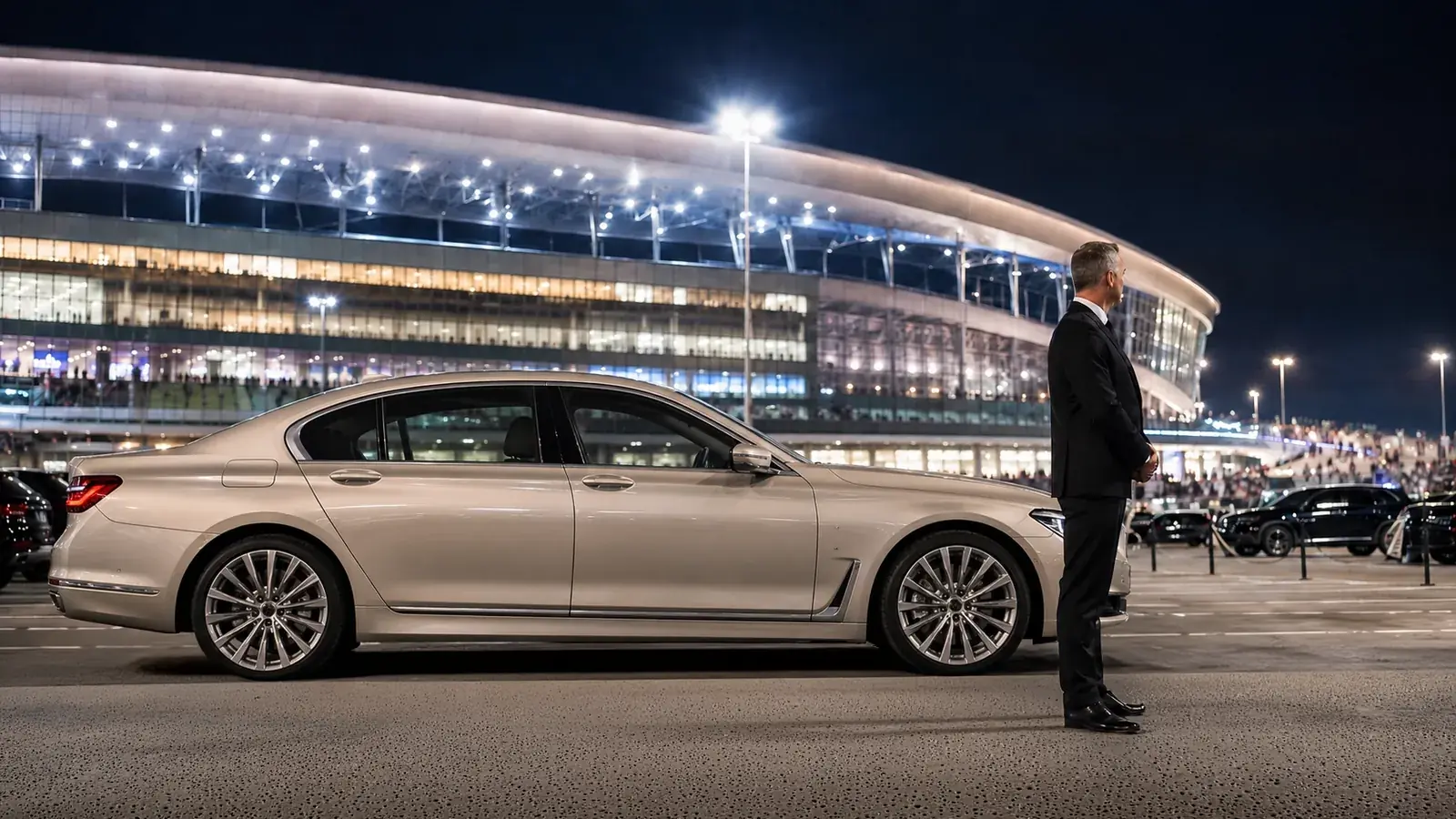
A stadium visit begins long before the first play. Friends may gather for lunch, families may meet at one home, business guests may have a pregame commitment, and devoted fans may want time to watch warmups or opening ceremonies. YCOD supplies a private driver, allowing the client's automobile to connect those plans without making parking the central event.
Service may start at a residence, office, hotel, restaurant, or another agreed location. Passengers keep their preferred seating, climate settings, and personal belongings in a familiar automobile. Near the property, the assigned employee follows current traffic controls, handles the automobile after passenger arrival, and remains reachable for the return.
Choose the Part of Game Day That Matters Most
A ticket time identifies the scheduled contest, but it does not establish the best arrival for every group. Some fans want to see batting practice, player warmups, introductions, or a ceremonial opening. Others have suite access, a sponsor reception, a hospitality commitment, or plans with friends outside the gates.
Tell the office when your group wants to be at its entrance, not merely when the game is listed to begin. Allow for screening, ticket questions, walking distance, crowded concourses, and any activity before the official start. That preference determines a sensible collection time from the first address.
Pregame Plans Need a Clear Sequence
A meal, private gathering, or tailgate can be part of the occasion rather than a hurried stop. Share the addresses, expected passenger changes, and any commitment that must end at a protected time. If guests are meeting from several households, identify the final group-assembly point before entering the controlled stadium district.
Food, coolers, chairs, team apparel, and other pregame items may affect cabin or cargo space. Decide what will be removed before the game and what will remain in the automobile. Every passenger expected later must still have a lawful seat and belt.
Tickets and Seating Determine the Useful Gate
Club areas, suites, general seating, supporter sections, and premium hospitality can use different entrances. A ticket may identify a gate, zone, or check-in desk that is not closest to the street address. Mobile admission may require access through the purchaser's device or account.
Review the ticket information before departure and keep the necessary device charged. If one guest will join at the property, decide who controls that person's admission. A precise gate or credential location is more useful than the stadium name alone when selecting the passenger point.
Game-Day Traffic Creates Its Own Street System
Cones, officers, directional signs, pedestrian zones, and temporary closures can change ordinary street access. A turn available on a quiet weekday may be prohibited when the surrounding lots open. Navigation software may show a short approach that event personnel will not permit.
Whatever lawful traffic pattern is operating that day governs the employee's approach. Public authorities and property staff control access, traffic direction, and passenger activity near the gates. The appointment cannot guarantee a particular curb, lane, or entrance when officials have assigned a different route.
Passenger Arrival and Automobile Storage Are Different Tasks
When permitted, passengers may step out near a sensible location associated with their seating area. The employee then continues to the accepted parking location. This prevents the entire group from circling through lots or structures after it has already reached the property.
Certain stadiums keep all occupants seated until the designated parking space is reached. Another property may permit passenger departure while immediately clearing that zone. Discuss parking passes, license-plate requirements, tolls, valet costs, and related approved expenses before arrival whenever possible.
Check the Property Rules Before Leaving Home
Bag limits, food restrictions, permitted signs, seat cushions, cameras, umbrellas, and other articles vary by league, property, and event. Current instructions should come from the official venue or ticket notice. An item admitted during one season may be restricted during another.
Complete a short check before passengers separate from the automobile. Returning to a remote lot for a forgotten item can take considerable time and may interfere with entry. Medication and necessary personal items should remain under the client's control.
Outdoor Games Require More Than a Morning Forecast
An afternoon contest can begin in strong sun and finish after temperatures fall. Rain, wind, heat, lightning, smoke, or a weather-related official stoppage may alter entrances, covered areas, walking conditions, and the expected duration. Clothing and approved supplies should reflect the full game-day window.
Promptly send any verified notice of a delay, postponement, or relocation. If conditions interrupt play after the audience enters, the employee remains connected under the accepted schedule. When the group decides to leave early, a message before reaching the exit provides time to prepare the automobile.
Baseball Has a Clock of Its Own
Baseball duration changes with pitching, scoring, reviews, substitutions, and extra innings. A listed beginning does not establish the final out. Fans may also remain for a promotion, fireworks program, or another announced activity after play.
The reservation should use a realistic range rather than a fixed ending promise. If the group wants to depart during a particular inning, notify the employee early enough to leave the parking area and approach the accepted reunion zone.
Periods, Quarters, and Halftime Create Decision Points
Basketball, football, hockey, and soccer organize the contest differently, but each provides natural moments for a group to reconsider its plans. Halftime or an intermission may be the time to confirm whether everyone will remain, whether a guest is leaving separately, or whether a postgame stop is still wanted.
These updates do not require constant messaging. One authorized person can confirm the expected plan during a natural break. The employee then remains prepared without interrupting the group's attention to the game.
Overtime Changes More Than the Final Score
Tied play can extend a game beyond the expected window. Reviews, injuries, penalties, and timeouts can add further uncertainty. The accepted duration therefore follows elapsed time rather than a prediction based only on regulation play.
When a substantial extension appears likely, the person controlling the reservation should inquire promptly about continued availability. If the group chooses not to remain, early notice helps the employee reach the meeting area before the larger audience begins leaving.
Select the Postgame Meeting Area in Advance
A useful reunion point has a distinct name or visible marker. It may be a numbered gate, lot letter, garage level, hotel entrance, intersection, or marked passenger area. Establish a primary location and an alternative before the group enters.
After the game, police activity, barriers, crowd movement, or gate closure can eliminate the first choice. Both sides should acknowledge a replacement before moving. A location beyond a dense pedestrian crossing may be easier to reach than a curb immediately outside the busiest gate.
Parking Areas Empty According to Their Own Rules
Lots and garages may release automobiles by row, aisle, level, or traffic zone. A lane used for arrival can become one-way in the opposite direction. Pedestrian movement may stop automobile traffic until a gate area clears.
Once everyone is seated, immediate exit from the district still cannot be assured. The employee follows directions from parking personnel and public authorities. Passengers can settle into the familiar cabin, check belongings, and discuss the game while the permitted departure sequence progresses.
Groups Sometimes Separate Before the Final Whistle
A child may become tired, an older relative may prefer an early departure, or one guest may need to reach another commitment. When the party divides, specify the departing passengers, the person allowed to update instructions, and the address applicable to each individual.
If a child seat is needed, the parent supplies and correctly installs it. Tell the office in advance about walking-distance concerns, steps, sheltered access, or child equipment that affects passenger placement. The property controls stadium guest services and accessibility programs.
Business Hospitality Can Continue After the Game
A sporting event may be connected to a client dinner, sponsor function, suite invitation, or company gathering. Your own automobile provides a private setting before and after the public activity. Work materials, coats, gifts, and personal papers can remain together.
Confidentiality agreements signed by YCOD employees protect details encountered during an assignment, including passenger identity, destinations, and conversations. The automobile displays no YCOD branding. An executive assistant or event coordinator may direct the schedule when that authority is confirmed before service.
Your Automobile Remains Part of the Plan
Begin with enough fuel or battery charge for the complete appointment, including slow event traffic and possible repositioning. Supply working keys, remotes, parking credentials, and any license-plate information connected to the pass. Tell the office about a manual gearbox, specialty controls, charging limits, low clearance, or unusual dimensions.
The automobile must lawfully accommodate the complete passenger count and planned cargo. Large coolers, folding chairs, sports equipment, purchases, and mobility items should be discussed when they affect seating or visibility.
Employment Standards Apply at Every Stadium
Our company assigns its own W-2 employees, not independent gig contractors. Each candidate completes a personal interview and background review. Every private driver we hire has a minimum of two years of professional experience driving clients, so you are never anyone's first client.
The California DMV Employer Pull Notice program provides continuing motor-vehicle-record monitoring during employment. Drug and alcohol screening continues as well. Clients are given mobile numbers for both the employee assigned and Chairman and CEO Josef Wojtkow.
Pricing Is Based on the Time Reserved and Used
A sedan or SUV supplied by the client costs $60 hourly through hour eight, then $93 hourly. For the client's van, Sprinter, or limousine, the corresponding amounts are $66 and $105. A 20 percent gratuity is already included in each published hourly figure.
Most appointments require at least three hours. The minimum becomes five hours on New Year's Eve when service starts at 6:00 p.m. or later. Rates receive no demand premium for a rivalry game, playoff date, weekend, holiday, or sold-out stadium. Approved out-of-pocket costs such as parking, tolls, valet, charging, meals, or lodging remain additional.
Prepare the Appointment Before Game Day
Send the date, stadium address, scheduled start, preferred gate-arrival time, first location, passenger total, automobile description, intended stops, and ending address. Add any parking credential, hospitality direction, or access-specific entrance. Name the person allowed to approve revisions and note guests who join or leave partway through the appointment.
Clients can request sporting-event service from communities across Riverside, Orange, and Los Angeles counties. Other destinations may be considered after the office receives the route and estimated duration. Following confirmation, the private driver meets the client at the chosen starting place, with the client's automobile remaining part of the entire game-day plan.