Make the Performance the Center of the Evening
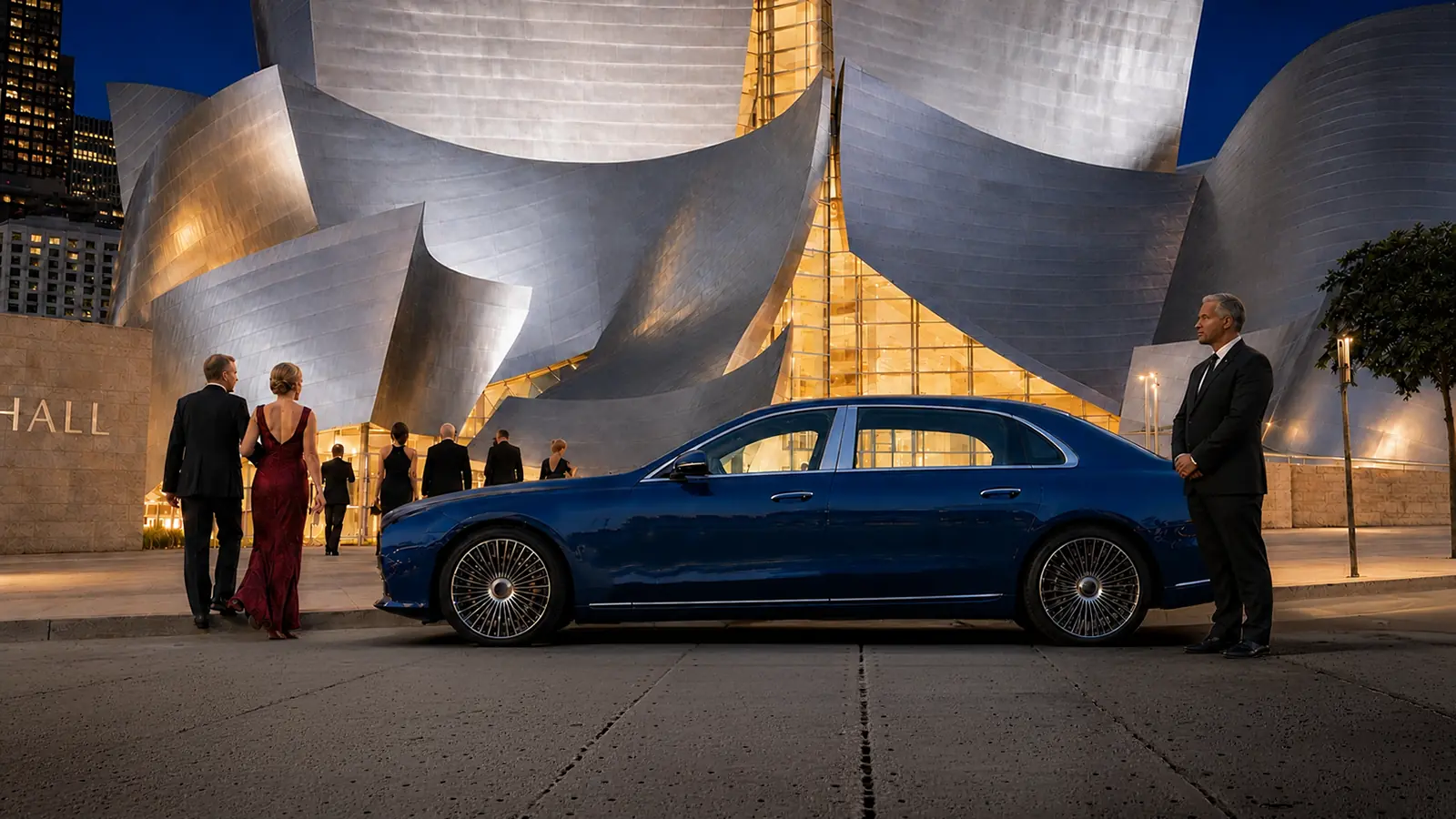
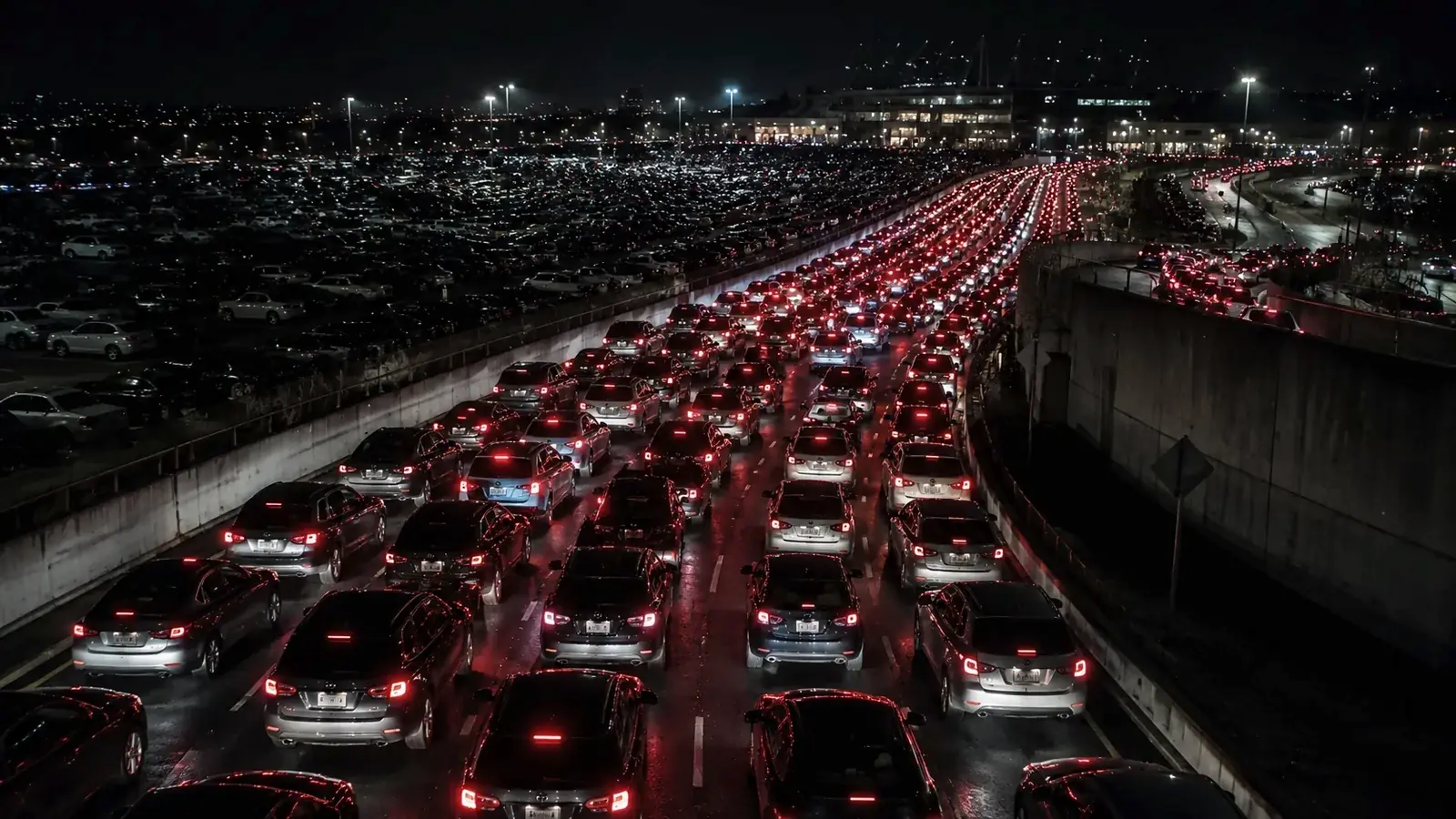
A concert should be remembered for the music, the people beside you, and the moments that could not be repeated. Parking structures, blocked turns, changing entrance rules, and a crowded departure can easily take attention away from that experience. A private driver in your own automobile keeps those practical details connected from home through the final return.
The appointment can begin at your residence, office, hotel, or dinner location. Your group enters the familiar automobile with tickets, jackets, and personal items already organized. Near the venue, passengers leave at a lawful point suited to their entrance while the assigned employee handles the automobile. After the final song, the same person remains connected by cell for the reunion.
Build the Schedule Around What You Want to Hear
The printed start time does not tell the whole story. Doors may open well before the first act. A supporting performer may matter as much as the headliner. Some guests have a reception, lounge reservation, fan event, or early-access benefit. Others prefer to arrive shortly before the featured set.
Tell the office which part of the program matters to your group. Begin with the desired arrival at the correct entrance, then allow for security, ticket questions, walking time, concessions, and event traffic. This produces a useful beginning time without assuming that every concert follows the same clock.
Ticket Information Can Change the Best Entrance
Reserved seats, floor admission, lawn areas, suites, boxes, and general-admission sections may use different gates. Premium credentials can require a separate desk or a representative outside the property. Mobile admission may depend on the purchaser's phone, account, or identification.
Before leaving, confirm that every ticket is accessible and that the necessary phone has enough battery power. If a guest will meet the group later, decide who holds that person's admission and where everyone will connect. Send the office any entry instruction that affects the passenger location, but keep admission credentials under your control.
Dinner Before the Show Needs Its Own Time
A restaurant reservation adds more than the meal itself. Seating delays, valet activity, a check that arrives slowly, and guests coming from different addresses can all affect the next commitment. Allow enough time to enjoy dinner without turning the approach to the venue into a race against the opening set.
Share whether the table time is firm or flexible. The assigned employee can remain available during dinner and continue with the same automobile afterward. Coats, gifts, and anything not permitted inside the concert can stay organized without being moved into another vehicle.
The Final Miles Often Move Differently on Concert Night
Temporary cones, pedestrian crossings, security checkpoints, closed streets, and event personnel can reshape an otherwise familiar neighborhood. The closest curb on a map may not be open, and an entrance used during a previous visit may serve a different purpose for the current program.
The assigned employee follows the lawful pattern in effect that evening. Police or venue personnel may prohibit a turn, redirect traffic, or move passenger activity away from the main doors. A little extra time for this controlled zone protects the part of the performance your group came to hear.
Passengers and the Automobile May Separate Before Parking
When property rules permit, the group can leave at a practical point linked to the ticketed entrance. The employee then completes the parking task without requiring everyone to circle through a structure or remember an unfamiliar level after dark.
Some venues require all occupants to remain inside until the automobile reaches its assigned area. Others allow passenger departure but prohibit waiting at the same location. The service adapts to the permitted option. Parking credentials, plate-linked passes, tolls, valet charges, and other approved event expenses should be discussed before arrival when possible.
Decide What Enters the Venue
Bag dimensions and permitted-item rules vary by property and program. Guests may also consider a jacket, hearing protection, medication, seat cushion, blanket, or another approved article. Check current venue instructions and decide what will accompany each person through screening.
Once the automobile has moved to a remote space, retrieving a forgotten item may take considerable time. A brief check before passengers separate prevents unnecessary calls during the opening music. Every expected passenger must still have a usable seat and belt for each segment of the evening.
Outdoor Music Requires a Wider Weather View
An outdoor program can begin in heat and finish in cool air. Wind, rain, lightning, smoke, or an official weather pause may affect gates, covered areas, walking surfaces, and the expected conclusion. Clothing and permitted supplies should reflect the complete span of conditions rather than the temperature at departure.
Forward an official delay, postponement, or entrance change as soon as you receive it. If the audience is already inside when conditions interrupt the program, the employee remains reachable under the accepted schedule. Contact the assigned person before leaving early so the automobile can be prepared for a revised reunion.
Sound and Crowds Change Communication
Inside a concert, a voice call may be difficult to hear. Dense crowds can also delay data service. Select one authorized contact whose phone will remain available and charged. That person should have the employee's cell number before the group enters.
Short messages are the clearest after the music ends. Name the gate, side, level, cross street, hotel frontage, or other visible marker actually being used. A message that says only "outside" is rarely enough at a large property. Live location information may also be shared with a person the client selects.
The Closing Song Is Not a Reliable Clock
Supporting sets, production changes, intermissions, guest appearances, technical pauses, and encores can move the ending. The reservation therefore follows elapsed time, not an unsupported promise that the audience will leave at a particular minute.
Your group can remain for the performance it planned to enjoy. If the accepted period may need to continue, the authorized client should ask about availability promptly. When the group chooses to leave early, advance notice gives the employee time to reach the agreed area.
Choose a Reunion Point Before the House Lights Return
A useful meeting place has a precise name or visible feature. It might be a numbered door, garage level, marked passenger area, hotel entrance, intersection, or another lawful landmark. Choose a primary location and one alternative before the audience enters.
The first choice may become unavailable after the show. Barricades, police activity, pedestrian direction, or a closed gate can force a change. Both sides should acknowledge the replacement before moving. A point slightly beyond the busiest crossing can sometimes produce a faster and calmer reunion than the curb nearest the main doors.
Departure May Follow a Completely Different Pattern
Arrival lanes can become exit lanes. Streets used before sunset may close when the audience releases. A garage may discharge automobiles by aisle or level, and heavy pedestrian movement can temporarily stop all vehicle traffic.
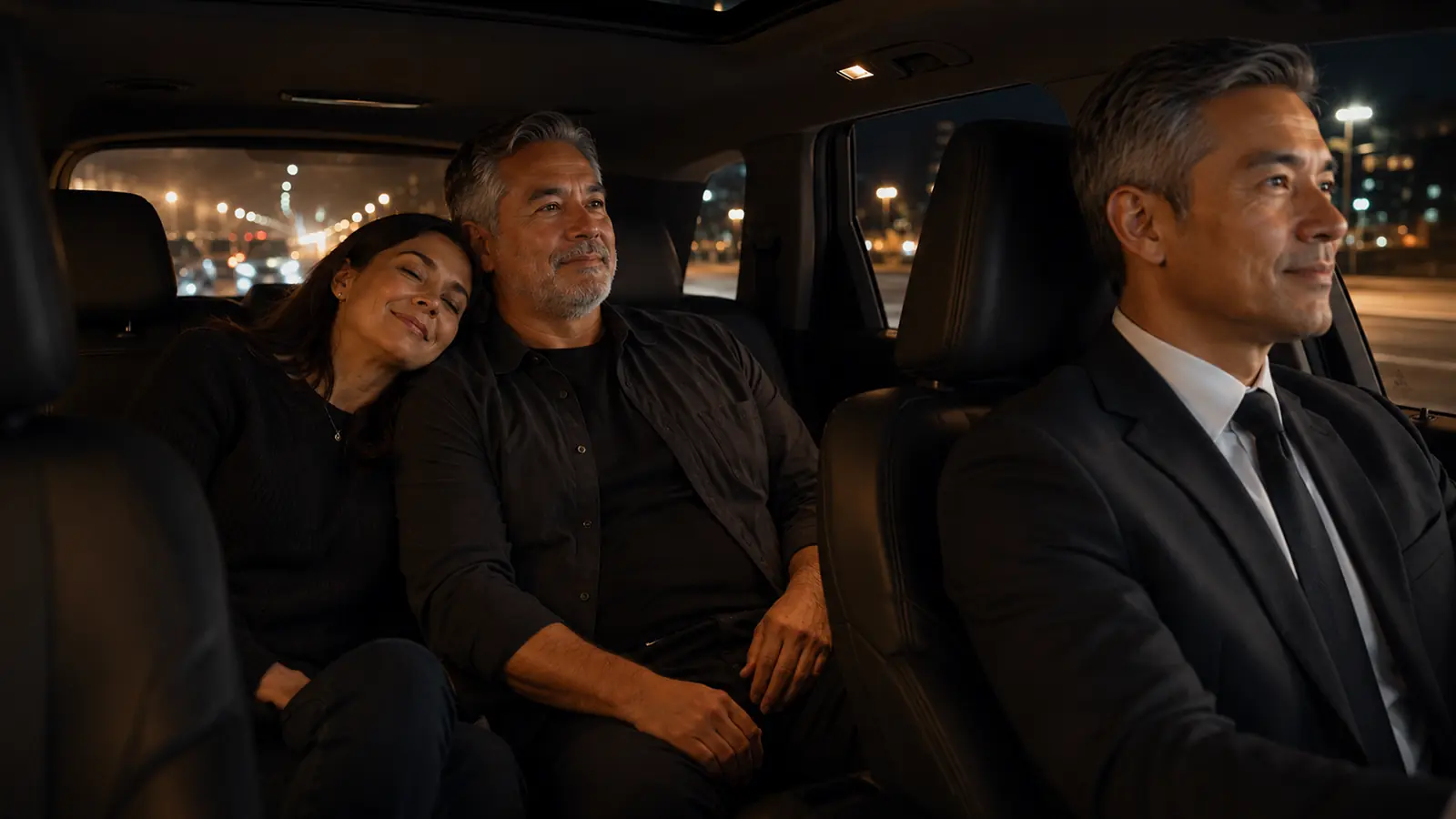
Reaching the automobile does not guarantee instant release from the property. The employee follows the sequence established by venue staff and public authorities. Once the group is seated, the familiar cabin provides a comfortable place to settle while the surrounding traffic begins to move.
Merchandise Comes Back With the Group
Programs, shirts, posters, records, and other approved purchases can return in the client's automobile. Guests avoid transferring those articles into an unfamiliar vehicle or carrying them through another pickup line.
Fragile and valuable property remains the client's responsibility. Mention an unusually large purchase before placing it in the cabin, particularly when every seat is occupied. At the final address, check the passenger area and cargo space, then identify the person who receives the keys.
Plans for Families and Guests With Different Needs
Children, older relatives, and anyone with limited walking tolerance may need extra time between the passenger point and the seats. Tell the office about distance concerns, steps, child equipment, or a preferred sheltered location before confirmation. Venue accessibility programs and special-entry arrangements remain controlled by the property.
The parent supplies and correctly installs any required child seat. If part of the group leaves early while others remain, identify who is departing, who may change the schedule, and which addresses apply to each portion of the group.
Privacy for Business and Personal Guests
A concert may follow an executive meeting, client dinner, sponsor reception, or private gathering. One familiar automobile gives passengers a quiet setting for conversation before and after the music. Work materials, coats, and gifts remain together.
YCOD employees sign confidentiality agreements covering passenger identities, conversations, destinations, and private information learned through an assignment. The automobile carries no YCOD branding that announces the service to the surrounding audience. An assistant or coordinator may manage instructions when that person's authority is established in advance.
Employment Standards Remain the Same After Dark
Every private driver assigned by YCOD is a W-2 employee rather than an independent gig contractor. Candidates are personally interviewed and background checked. A minimum of two years of professional experience driving clients is required before joining the company.
Motor vehicle records are monitored through the California DMV Employer Pull Notice program. Ongoing drug and alcohol screening and confidentiality requirements also apply. Clients receive direct cell contact for the assigned employee and for Josef Wojtkow, Chairman and CEO.
Concert Pricing Follows the Reserved Time
For a client-supplied sedan or SUV, the first eight hours are billed at $60 per hour. Time after eight hours is billed at $93 per hour. A client-supplied van, Sprinter, or limousine is billed at $66 per hour for the first eight hours and $105 per hour afterward. These hourly amounts include a 20 percent gratuity.
The ordinary minimum is three hours. An appointment beginning at or after 6:00 p.m. on New Year's Eve has a five-hour minimum. A sold-out program, weekend, holiday, or popular performer does not create a demand premium. Parking, tolls, valet, charging, meals, lodging, and other approved assignment expenses are additional when applicable.
Prepare the Reservation Before the Tickets Take Over
Provide the date, venue address, ticketed schedule, desired entrance time, starting place, passenger count, automobile, planned stops, and final destination. Include a parking credential or premium check-in instruction when it affects automobile access. Identify the person authorized to approve changes and explain which details remain flexible.
Concert assignments may begin throughout Los Angeles County, Orange County, and Riverside County. The office can also review a request beyond the ordinary region when it receives the complete route and expected hours. Once confirmed, the private driver arrives at the agreed place and keeps the automobile connected to the evening from the first departure through the final address.