The Transportation Plan Starts With People, Not Venues
A wedding schedule may show a ceremony address and reception address, but those two points do not describe the actual transportation work. The useful plan begins with the people involved, where each person will be ready, which household automobile belongs to that person, and the commitment that cannot be late. The couple may begin in separate places. Parents may have an earlier photography call. A grandparent may need a closer entrance and a slower departure.
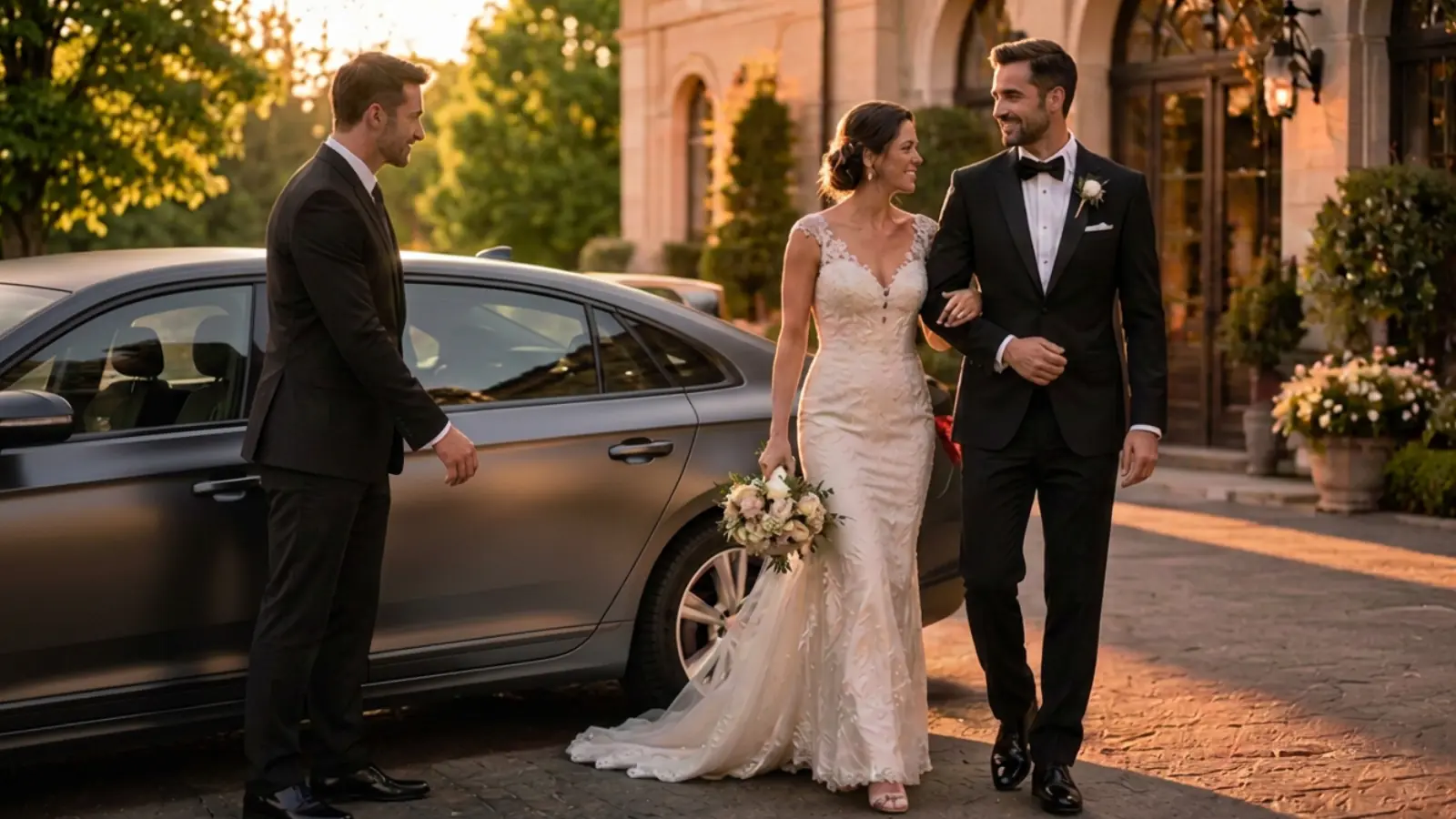
Your Car Our Driver assigns a private driver to the client's own automobile. The reservation connects that automobile to a named passenger group, an authorized decision maker, specific locations, and a defined ending instruction. This approach keeps personal belongings, preferred seating, familiar controls, and the family's chosen interior together while the day moves through several settings.
Give Each Automobile Its Own Assignment
A wedding with four family automobiles is not one assignment repeated four times. Each automobile may start at a different residence or hotel, collect different passengers, reach a separate entrance, and finish at a different destination. One may remain with the couple. Another may serve parents who leave early. A third may support older relatives. The fourth may be reserved for a guest whose evening ends elsewhere.
The office records a separate start time, key location, passenger list, automobile description, sequence, authorized contact, and final placement for every assignment. A central coordinator can receive broad updates, but the details remain distinct. Separate records reduce confusion when several ceremonies, photographs, valet releases, or departures occur close together.
Preparation Locations Set the Opening Clock
The first scheduled movement may begin long before the ceremony. Hair and clothing appointments, portraits, a first look, family introductions, religious customs, or a private gathering can create early deadlines. A preparation suite inside a hotel may require elevator time and a bell-service handoff. A residence may involve a gate, narrow street, motor court, or garage procedure.
The client supplies the actual readiness location rather than only the property's mailing address. Include the room, residence entrance, loading area, gate contact, and person holding the keys. The reservation should distinguish the time the employee arrives from the time the passenger must leave. That distinction protects the ceremony schedule when clothing, flowers, gifts, or family conversations take longer than expected.
Formal Clothing Changes How Time Is Used
Wedding clothing can make an ordinary entry take several minutes. A long gown, veil, fitted garment, wrap, bouquet, ceremonial item, or delicate fabric may alter the seating arrangement. Formal shoes may make a distant lot or uneven path impractical. The family chooses an automobile that provides suitable access and enough legal seating for the passengers and everything accompanying them.
The employee provides patience and positions the automobile at the authorized location. Attendants, stylists, relatives, or the passenger decide how clothing and ceremonial property are handled. The company does not arrange garments, fasten clothing, carry a person, or direct photography. Naming those responsibilities before departure prevents hurried decisions at a visible and emotional moment.
The Ceremony Entrance Is a Specific Place
A venue name can identify an entire campus rather than the correct door. The couple may use a private entrance while guests approach another side. The wedding party may be directed to a courtyard, porte cochere, garden path, side gate, or covered loading area. A public address may lead to a parking structure that is far from the ceremony entrance.
The reservation should contain the venue's wording for the approved arrival point, plus a contact who can resolve a closed or occupied curb. If one group must remain out of view while another enters, that instruction belongs in the plan. The employee follows lawful property direction and does not create a stopping place where traffic, security, or posted rules prohibit it.
A House of Worship May Have Its Own Release Pattern
Religious properties often serve regular services, school activities, offices, and wedding functions through different doors. A ceremony may also have a processional order that determines when parents, attendants, and the couple enter. At the conclusion, guests may gather near the same space intended for the departing couple, making the original arrival point unavailable.
The family or planner confirms the entrance, staging instruction, expected release, and alternate meeting place with the property. If photographs follow immediately, the automobile may need to remain elsewhere until called. The employee does not interrupt a procession, use a reserved clergy area without permission, or assume the first doorway remains the correct conclusion point.
Private Estates Need Host Instructions
A private estate may have a guest gate, service gate, resident entrance, security checkpoint, or motor-court limit. Landscaping, temporary structures, vendor equipment, and guest arrivals can narrow the available path. Neighbors and public authorities may impose parking or noise restrictions that affect where an automobile can wait after the ceremony begins.
The host provides written access instructions, the name used at security, the permitted waiting area, and the person authorized to revise them. A gate code is used only for the confirmed purpose and is not retained for a future assignment. If the property cannot accommodate waiting, the office and host identify a lawful alternative before the wedding date.
Hotels Have Several Separate Entrances
A hotel wedding can involve guest rooms, a ballroom, restaurant, lobby, residence wing, spa, loading dock, and more than one valet operation. The couple may prepare on one floor while parents gather in another part of the property. Luggage, garment bags, gifts, and overnight items may be controlled by different hotel departments.
The reservation identifies the hotel, guest or event name, exact passenger entrance, room readiness procedure, valet instruction, and baggage status. Hotel personnel control their property and may redirect an arriving automobile during a large function. The employee follows that direction and reports a material change to the designated contact. A room number is shared only when it is necessary for the assignment.
Photographs Add Their Own Mini-Itinerary
Portrait plans may include a garden, overlook, beach access, civic landmark, hotel interior, family home, or a private location between the ceremony and reception. Each stop can introduce a permit, gate, loading rule, walking distance, or time limit. Sunset light may create a deadline that is separate from the reception entrance.
The photographer determines the creative sequence, while the client authorizes the transportation sequence. For each location, provide the exact entrance, passenger group, expected duration, and alternate instruction. The employee cannot hold an unlawful curb or enter restricted property to preserve a photograph. Realistic loading time should be included whenever formal clothing and several people return to the automobile together.
The Reception Handoff Deserves a Written Plan
The transition into a reception can be more complicated than the ceremony arrival. The couple may enter privately, wait for an announcement, join a cocktail gathering, or continue photographs while guests are seated. Parents may need to reach a receiving area earlier. Personal items may go to a suite, secure room, or automobile instead of entering the ballroom.
The plan names the approved entrance, arrival window, venue contact, and instruction for the automobile after passengers exit. If the employee remains committed during the celebration, the waiting location and communication method should be clear. If the automobile is released to valet personnel, the client authorizes that handoff and supplies the claim procedure used by the property.
The Couple Can Keep One Familiar Interior
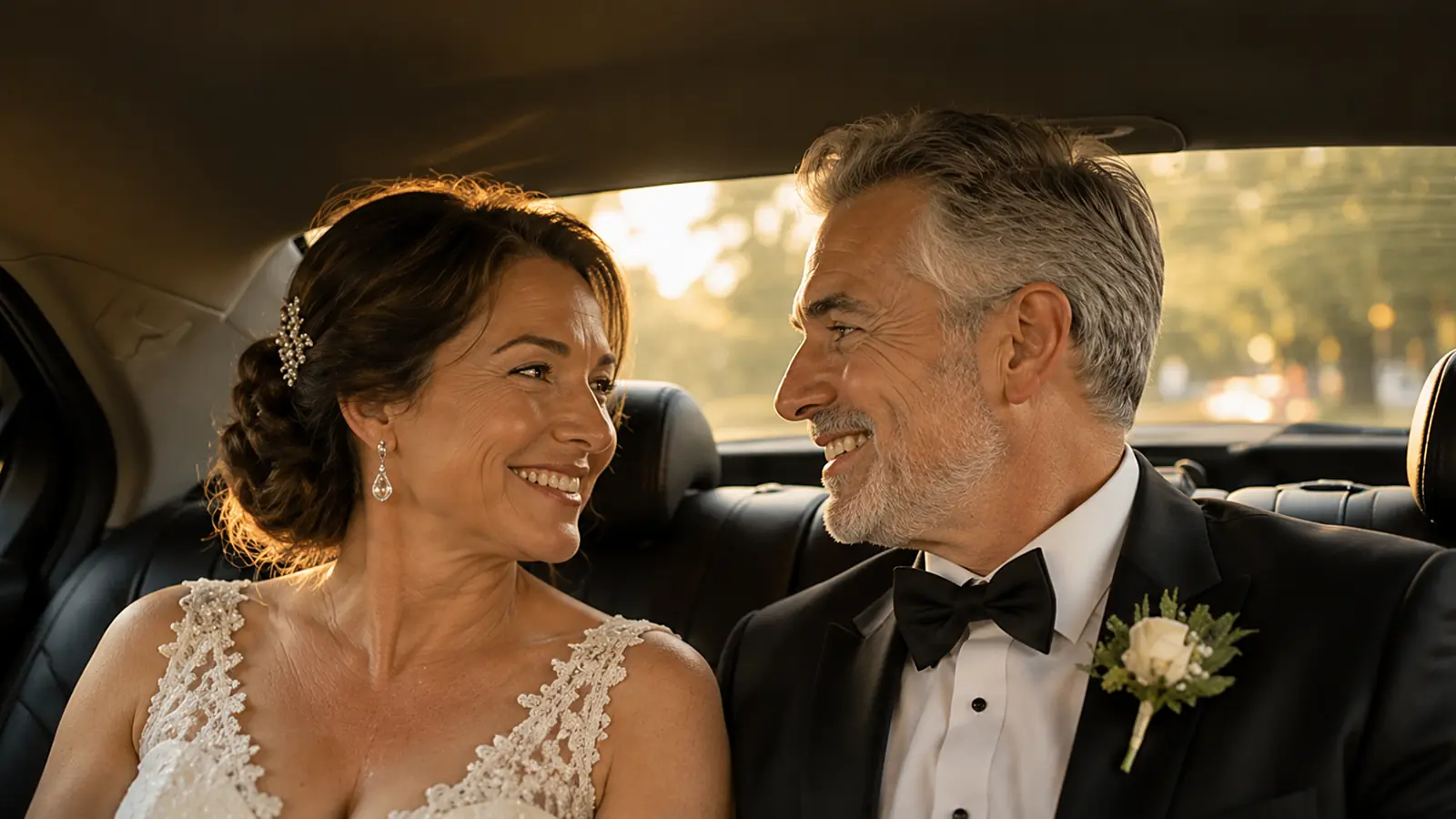
Using the couple's chosen automobile can keep shoes, wraps, personal bags, refreshments, gifts, and other approved belongings in familiar places. Climate settings, seat height, interior lighting, and entry space are already known. The automobile can remain part of the day from preparation through the final destination when property rules and the confirmed schedule allow it.
Continuity does not mean the plan is open ended. The office still needs each destination, fixed deadline, possible extension, access requirement, and person permitted to authorize a change. The employee learns the communication preference for that assignment. Some couples want direct messages. Others prefer that routine questions go through an attendant, parent, or planner.
Parents Often Need a Separate Timeline
Parents may begin with preparation duties, move to portraits, greet relatives, participate in the ceremony, address reception details, and remain after the couple leaves. Their obligations can start earlier and end later than the main wedding schedule. A separate automobile plan prevents the couple's departure from controlling every parental movement.
The reservation identifies which parent or household representative owns the automobile, who will be a passenger, where keys are held, and the final placement. If two parents leave at different times, the family decides which person keeps the automobile and which person uses another arrangement. The employee does not choose between conflicting family instructions without office confirmation.
Older Relatives Need More Time, Not Assumptions
An older relative may prefer a known seat, familiar climate setting, lower step, personal cushion, mobility device, closer entrance, or extra time to enter and leave. Hearing needs or a busy curb can also affect communication. These are planning details, not reasons to rush or speak for the passenger.
The family names an adult who can assist when personal care is required. Wedding transportation does not include medical monitoring, lifting, physical transfer, dressing, medication handling, or guardianship decisions. The office records useful timing and access information, while the authorized relative or attendant retains responsibility for care beyond the automobile assignment.
Out-of-Town Guests Need Exact Local Detail
A visiting relative may know the hotel name but not which building, entrance, or neighboring city is involved. Similar property names and adjacent event spaces can create wrong turns. Guests may also be unfamiliar with toll settings, garage credentials, residential gates, or the distance between a coastal ceremony and an inland reception.
The host should provide the complete itinerary rather than asking the guest to reconstruct it from an invitation. Include the passenger's direct number, hotel guest name, automobile location, key instruction, venue entrance, ending address, and authorized family contact. The employee receives the operational details needed for the assignment, not private family information that has no transportation purpose.
Child Arrangements Stay With the Family
When a child will be a passenger, the reservation identifies the parent or guardian, authorized adults, approved locations, schedule, and person receiving the child at each end. The household decides whether another adult accompanies the child. A ceremony role, reception activity, or family photograph does not change those authorization requirements.
For a child restraint, the parent supplies and correctly installs it. Every passenger must have a legal seating position and seat belt. The employee does not accept an itinerary change from an unauthorized guest. If the named adult is unavailable, the office contacts the parent or guardian before the assignment continues.
Several Automobiles Require a Communication Map
A multi-automobile wedding can produce many simultaneous messages. The planner may need broad status, passengers may need direct meeting instructions, and vehicle owners may need key confirmation. Sending every update to every person can create conflicting answers. Sending too little can leave a family member searching a large property.
Before the date, assign one primary contact for each automobile and one central contact for decisions affecting the entire wedding. Store the relevant direct numbers and label them by passenger group. Decide who receives arrival confirmation, delay notices, destination changes, and completion messages. The office keeps each employee connected to the correct record rather than relying on an informal group chat.
The Planner Coordinates but Does Not Own Every Decision
A planner can organize timing, vendor access, ceremony order, and venue communication. The planner may also be authorized to extend an assignment or change a meeting point. That authority should be stated by the client rather than assumed. Some decisions, such as a final destination or release of a family automobile, may remain with the owner or couple.
The company manages its transportation responsibilities. It does not supervise vendors, direct the ceremony, control guests, protect gifts, resolve family disagreements, or perform the planner's duties. When an access problem affects timing, the employee reports it to the authorized contact and follows the confirmed lawful instruction.
Venue Staff Control Property Access
Hotels, clubs, estates, gardens, houses of worship, restaurants, and public sites establish their own entrance and waiting rules. An event contract does not automatically reserve a public curb or allow an automobile to remain at a doorway. Security personnel may close a gate, move a loading area, or limit access when guest volume changes.
The reservation reflects the venue's current instruction, but on-site authorized personnel retain control of the property. The employee complies with their direction and tells the office if it materially changes the plan. No wedding deadline authorizes blocking emergency access, entering a closed area, or ignoring a public restriction.
Valet Procedures Change the Handoff
Valet involvement should be decided before arrival whenever possible. The property may require every automobile to enter the valet line, or it may permit a short passenger handoff before the automobile goes elsewhere. At the end, a claim ticket, guest name, or event credential may be needed before the automobile is released.
The client identifies who may transfer the keys to valet personnel and who may receive them later. The employee cannot control the valet queue or guarantee how quickly property staff produce an automobile. If a different conclusion is needed, the authorized contact works with the venue and office to select a permitted alternative.
Keys Need Named Custody
Wedding days place keys in handbags, hotel rooms, valet stations, lockboxes, family pockets, and planner envelopes. An unclear key handoff can delay the entire schedule. Each reservation should state where the keys begin, who is allowed to release them, which automobile they control, and where they must be placed at completion.
The employee accepts only access devices required for the confirmed assignment. House keys, unrelated remotes, cash, and confidential papers should be removed beforehand. A missing or damaged key, credential, or remote is reported promptly. The company does not retain a residence code or access device for later use without separate authorization.
Personal Items Remain Under Family Control
Bouquets, rings, gifts, envelopes, garments, electronics, documents, and ceremonial objects may move through the day. The client decides which items remain in the automobile, which go inside a venue, and who has custody. The employee does not inventory, value, authenticate, package, or safeguard property as a separate service.
Passenger space and visibility must remain clear. Boxes, luggage, mobility devices, garment bags, and other cargo should be disclosed before confirmation so the household can choose a suitable automobile. Venue personnel and merchants remain responsible for their packaging and loading rules. The family retains control of valuables and confidential material.
Privacy Applies Before and After the Celebration
A wedding reservation can contain residence addresses, hotel details, family relationships, guest names, gate procedures, photographs, and a schedule that should not become public. Each employee signs a confidentiality agreement. Information received through the reservation is used only for the confirmed assignment and related company administration.
The company does not treat a passenger, automobile, home, or celebration as promotional material. A public reference or photograph requires separate permission. The client decides who may receive a live location link, itinerary, passenger update, or ending address. Details are limited to the people who need them for the plan.
Direct Cell Contact Clarifies Each Assignment
The client receives a direct cell number for the assigned driver and for Josef Wojtkow, Chairman and CEO. A couple, parent, planner, or authorized coordinator can reach the person responsible for the automobile and can contact company leadership when an issue requires attention. These numbers do not replace emergency services.
For several automobiles, store each number under the passenger group or vehicle owner's name. A message should identify the assignment and requested change. The employee confirms material revisions through the office when required. Clear labeling helps prevent an instruction intended for one family automobile from being applied to another.
Live Location Is Shared by the Client
The client may share a live location link with a planner, spouse, parent, household contact, or another person of the client's choosing. The link can help an authorized person anticipate an arrival without interrupting photographs, a ceremony, or a private family moment. It shows location but cannot explain every access change.
The client controls who receives the link and should stop sharing when it is no longer needed. A closed gate, redirected entrance, delayed passenger, or revised destination still requires communication. The employee reports the condition to the appropriate contact rather than assuming the map alone answers the wedding schedule.
Alcohol Changes the End-of-Evening Plan
The conclusion should be arranged before the reception begins. A guest who expects to consume alcohol should have a confirmed automobile, key plan, destination, passenger authorization, and ending contact. The arrangement is not created informally at the ballroom door after several people provide different instructions.
The employee follows the approved destination and lawful company direction. If a passenger needs emergency medical help or presents an immediate safety concern, public emergency resources take priority. The service does not provide clinical observation, restraint, personal care, or supervision required by a host, venue, or medical provider.
An After-Party Needs Advance Authority
An after-party may be likely even when its exact location is undecided. The original reservation should identify the possible extension, person allowed to approve it, expected decision time, and latest schedule the office can support. A restaurant, hotel, residence, or private club may use different access rules late at night.
Additional time and destinations remain subject to availability, pricing, lawful access, and office confirmation. The employee cannot accept competing directions from several guests or create a separate cash agreement. If the plan remains unchanged, the assignment concludes under the written ending instruction.
Final Return Instructions Close the Assignment
The ending location should be as specific as the ceremony entrance. A residence may require a garage, motor court, gate, or key placement. A hotel may need a guest name and approved passenger entrance. Parents may want completion confirmation after an adult child or older relative reaches the destination.
The reservation states where passengers leave, where the automobile is placed, who receives the keys, and which contact receives the final message. Personal property remaining inside stays with the client's automobile. A clear closing procedure avoids leaving keys with an unauthorized person or placing the automobile somewhere the owner did not approve.
Related Wedding Events Can Use Separate Schedules
A rehearsal, welcome gathering, ceremony, reception, brunch, gift opening, or departure may occur on different dates and involve different people. Treating every event as one vague wedding weekend can hide the details needed for each assignment. A person requested for one date may not be available for another.
The client may request the same employee for related events, subject to availability. Each event still receives its own time, passenger group, automobile, keys, itinerary, contacts, and conclusion. Separate confirmation makes it clear which details apply to which day while preserving continuity when it can be provided.
Weather and Public Conditions Can Change Access
Rain, flooding, wildfire conditions, police activity, street work, a public festival, or an emergency order can change an entrance or waiting location. Outdoor ceremonies may move inside, and temporary structures can redirect traffic on private property. Official instructions take precedence over the original map.
The office reviews current information when a known condition could affect the assignment. The venue and client should supply any revised event direction. The employee will not cross a closure, ignore an emergency order, or enter an unsafe area to preserve the calendar. The authorized contact and office discuss lawful alternatives when conditions change.
The Household Automobile Must Be Ready
Before confirmation, provide the year, make, model, transmission, start procedure, fuel or charge status, dimensions, warning lights, security features, and any unfamiliar control. Tires, brakes, lamps, glass, mirrors, registration, and seat belts should be in proper order. The owner decides whether the automobile is lawful and suitable for the planned passengers and cargo.
The company does not repair, diagnose, modify, appraise, or certify an automobile. Specialty controls, low structures, charging instructions, or a manual transmission must be disclosed early enough to review. The owner removes unrelated property and ensures the automobile is available at the stated place and time.
W-2 Accountability Belongs to the Company
Your Car Our Driver uses W-2 employees rather than anonymous marketplace matches. Selection includes a personal interview, identity and background review, motor-vehicle record evaluation, and pre-assignment screening. Continued eligibility includes record monitoring, drug and alcohol testing, confidentiality obligations, supervision, written conduct standards, and review of client feedback.
The office knows which employee accepted each wedding assignment and remains responsible for service questions. More than nine out of ten company assignments come from repeat clients. A family may request a familiar employee, subject to availability, but company responsibility does not depend on a particular person being selected.
Pricing Follows Reserved Commitment
Wedding pricing is based on the time, location, automobile, waiting, itinerary, and conditions disclosed before confirmation. Waiting through a ceremony, portraits, reception, or another scheduled period remains part of the assignment because the employee is committed to that automobile and wedding plan. Several automobiles receive separate time calculations.
The office provides the applicable hourly calculation, minimum, included terms, and approved extension terms before the client accepts. A later ending, added property, extra passenger group, new after-party, or changed automobile can affect the total. Material revisions require office approval. The employee does not establish an independent amount with a guest.
Requesting Wedding Service
Begin with the date, each starting location, requested employee arrival, required passenger departure, automobile year and model, passenger group, ceremony address, reception address, expected conclusion, and final placement. Add preparation rooms, photography locations, venue entrances, key holders, formal-clothing needs, mobility equipment, valet procedures, gate rules, luggage, and possible after-party details.
Identify the one person authorized to change each assignment and the coordinator who receives broader updates. The office reviews availability, vehicle requirements, access information, schedule, and pricing. A request is not final until the office confirms it. Your Car Our Driver has served Southern California clients since 2007 and builds each wedding assignment from the actual people, automobiles, properties, and decisions involved.