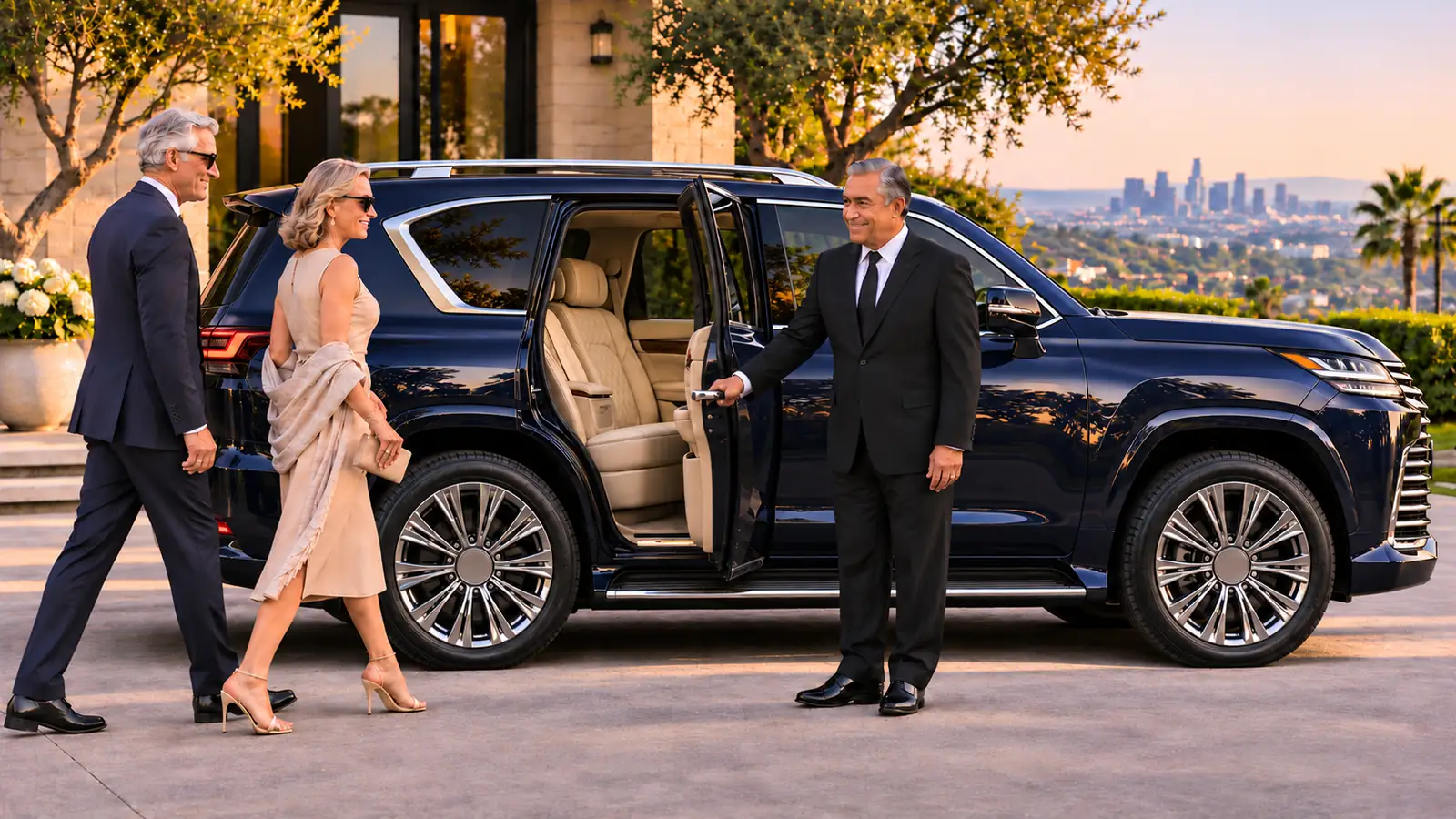


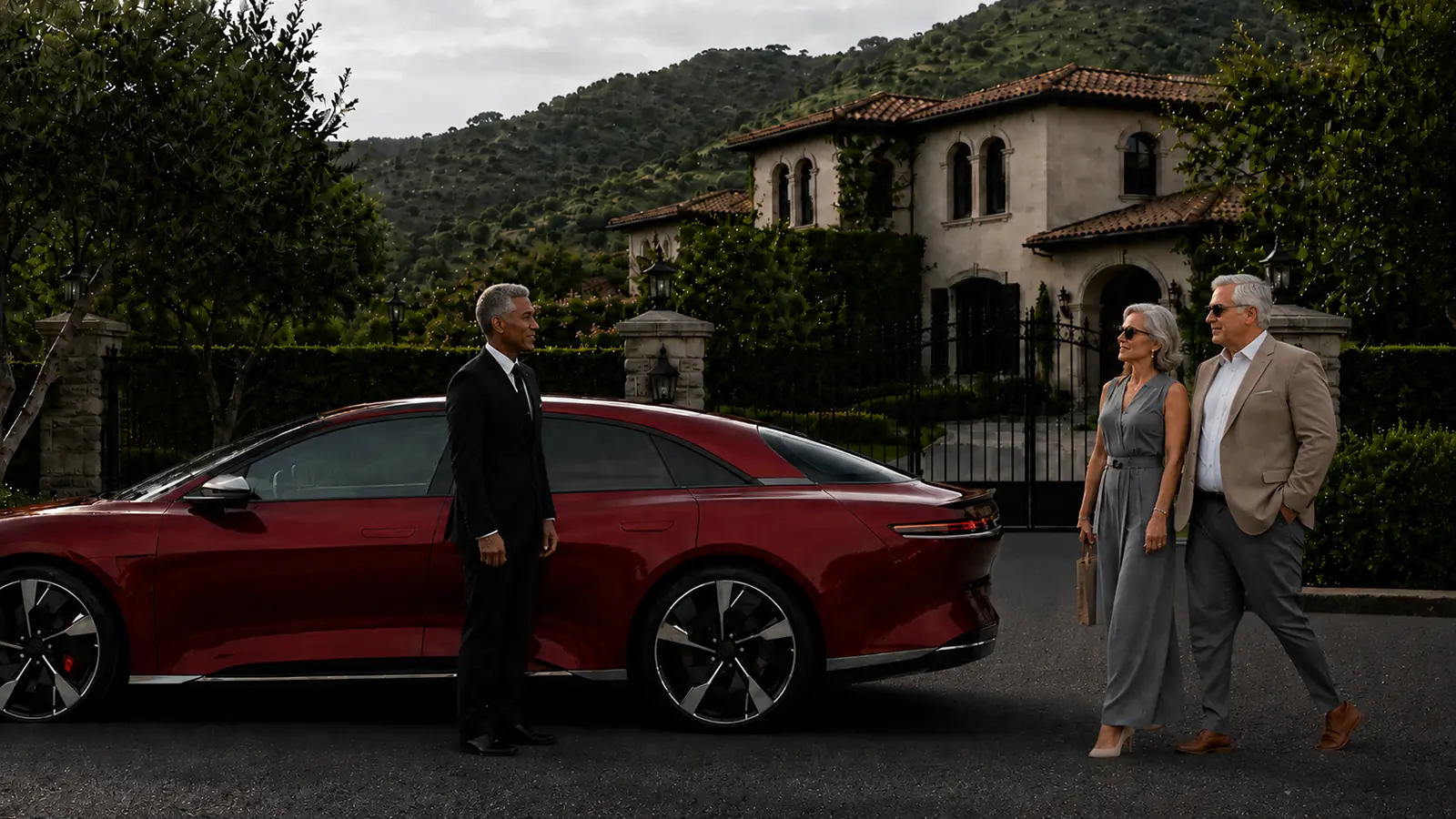
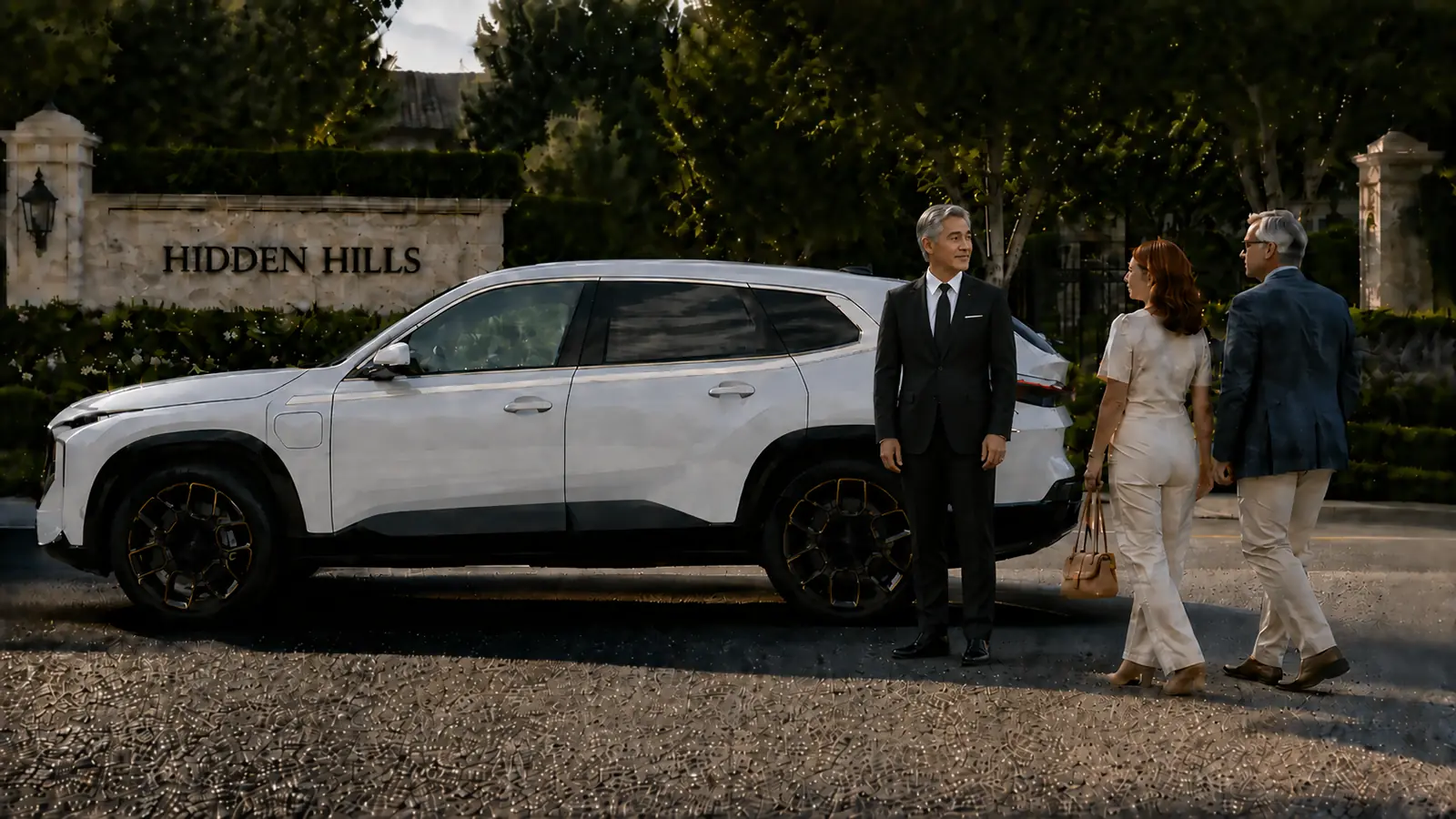
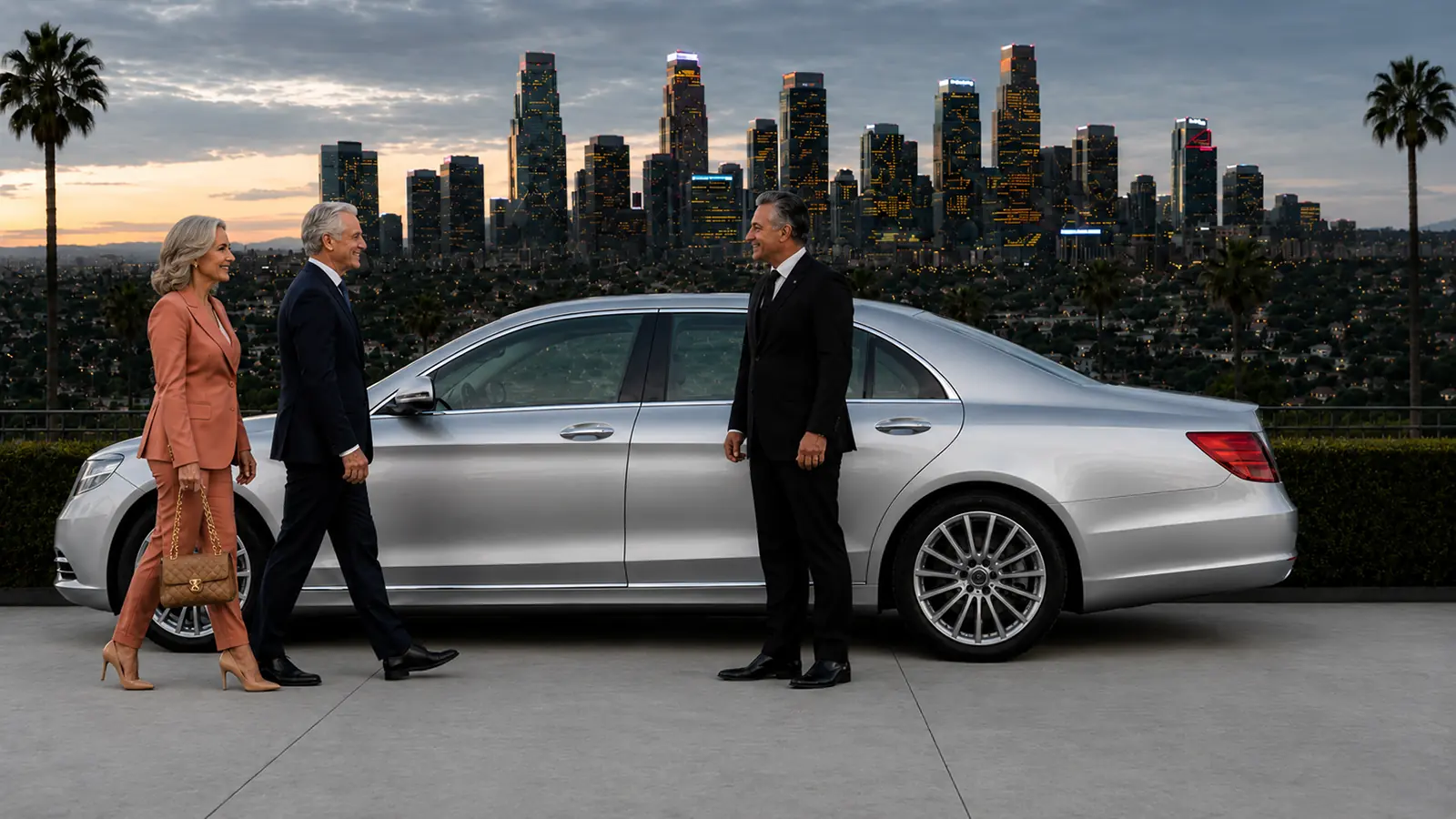
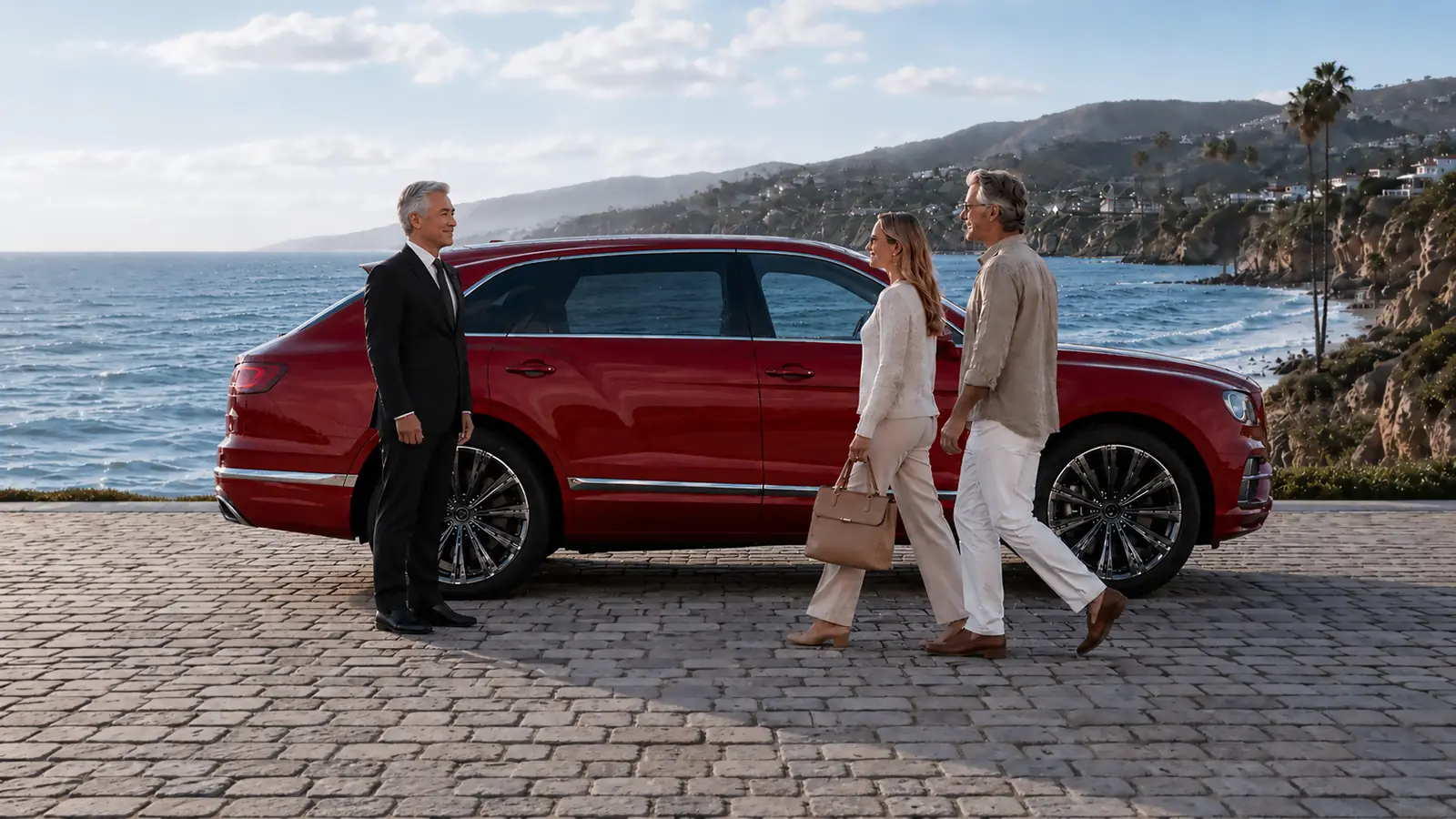
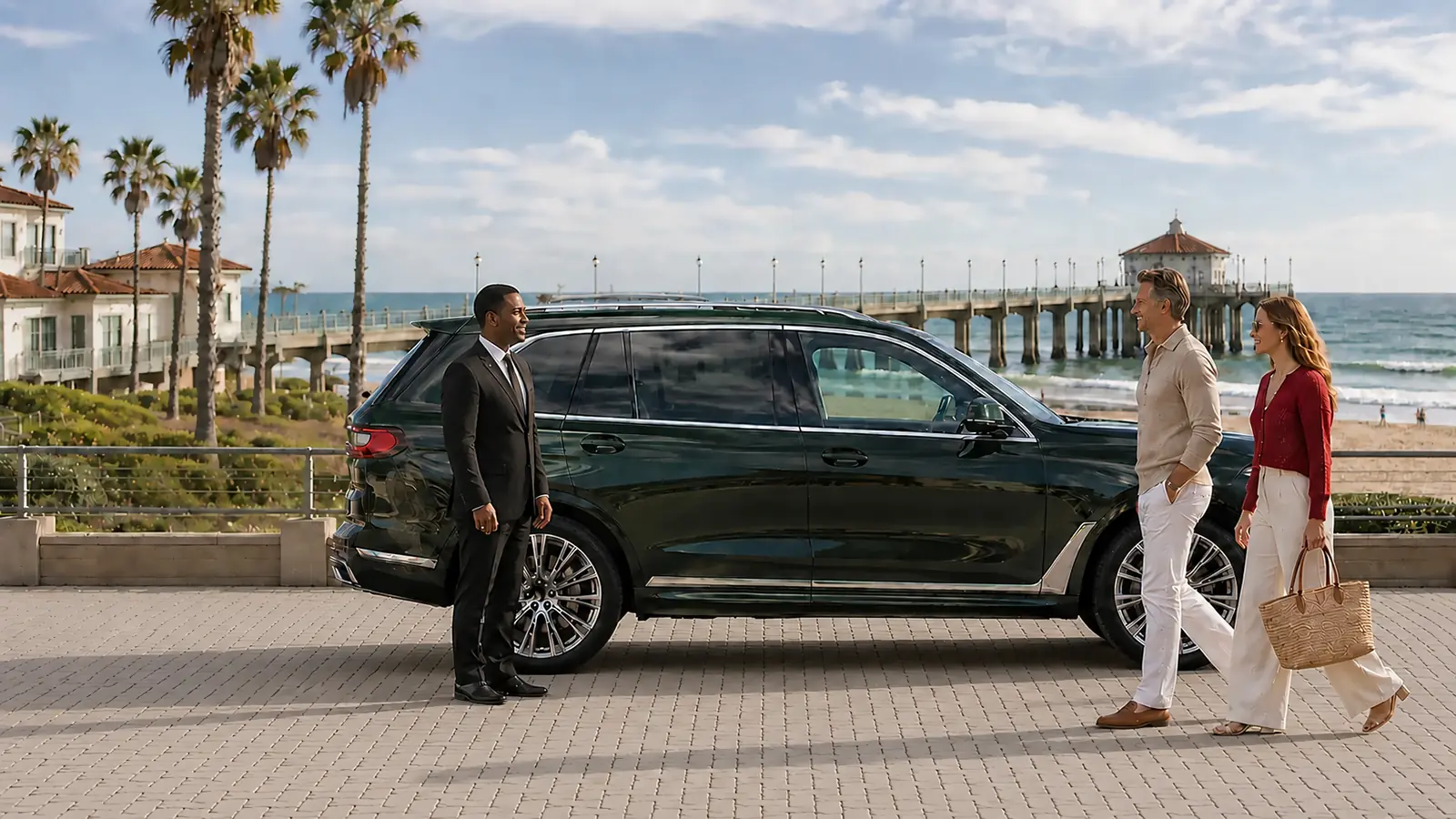
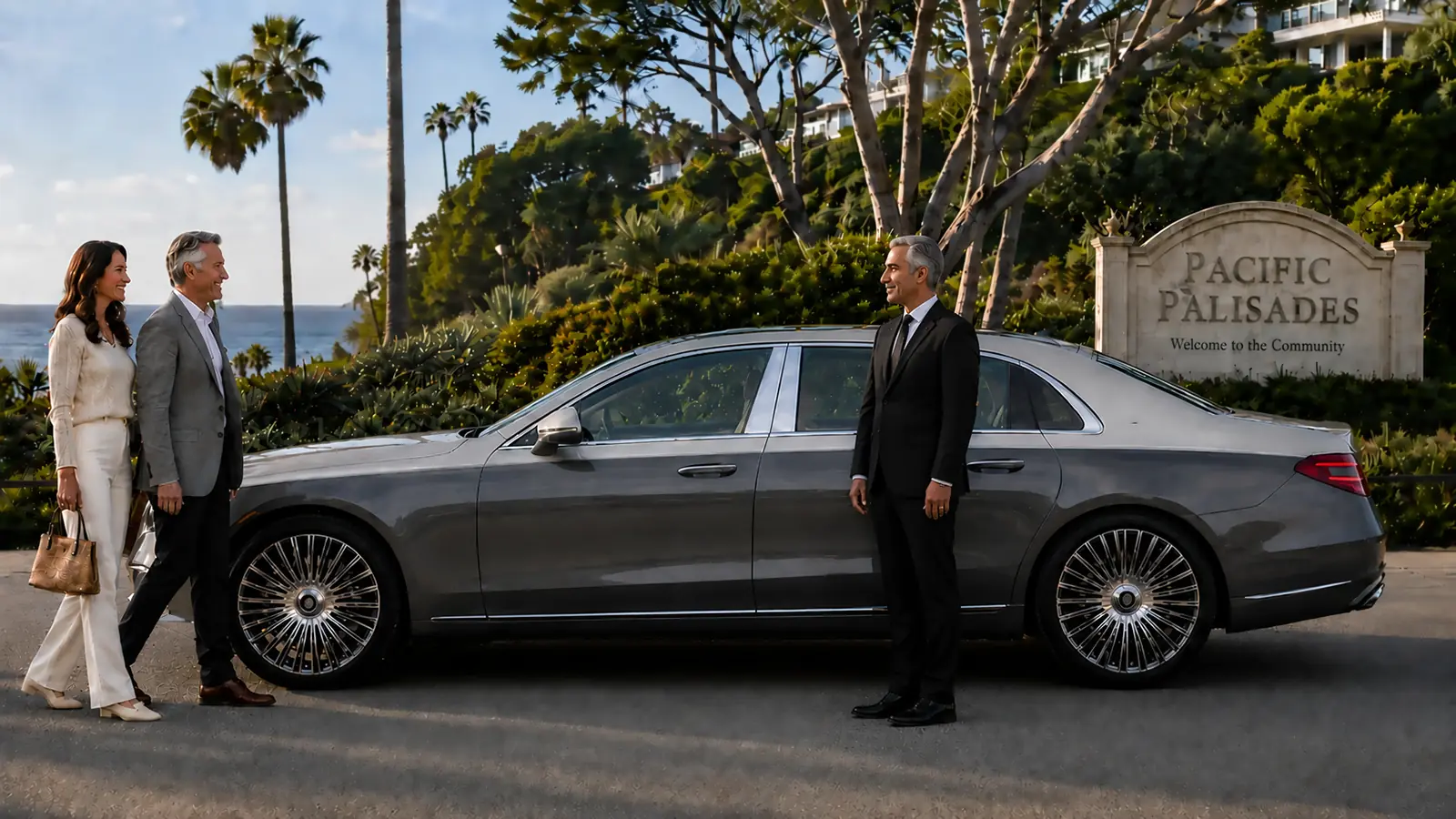
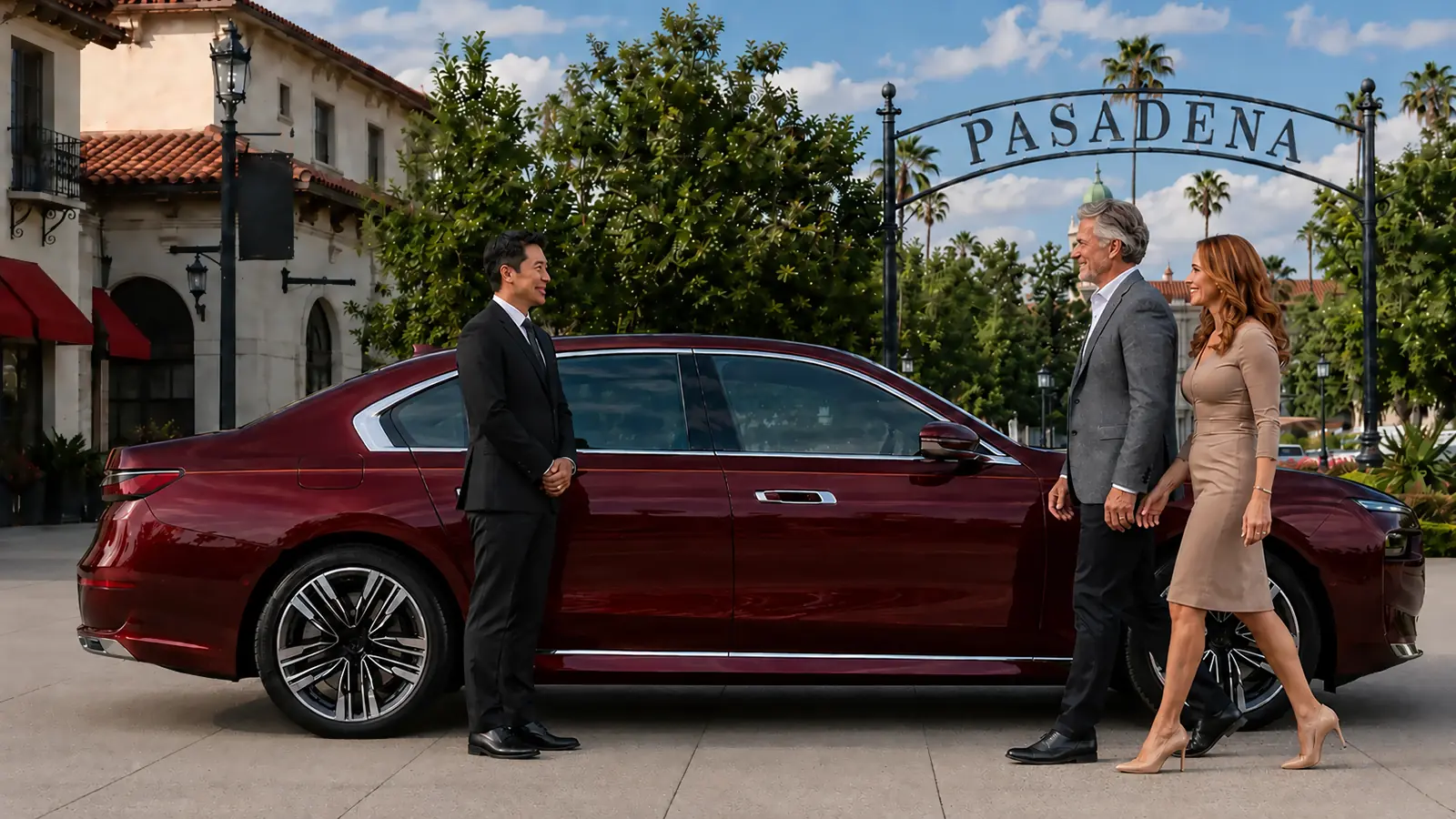
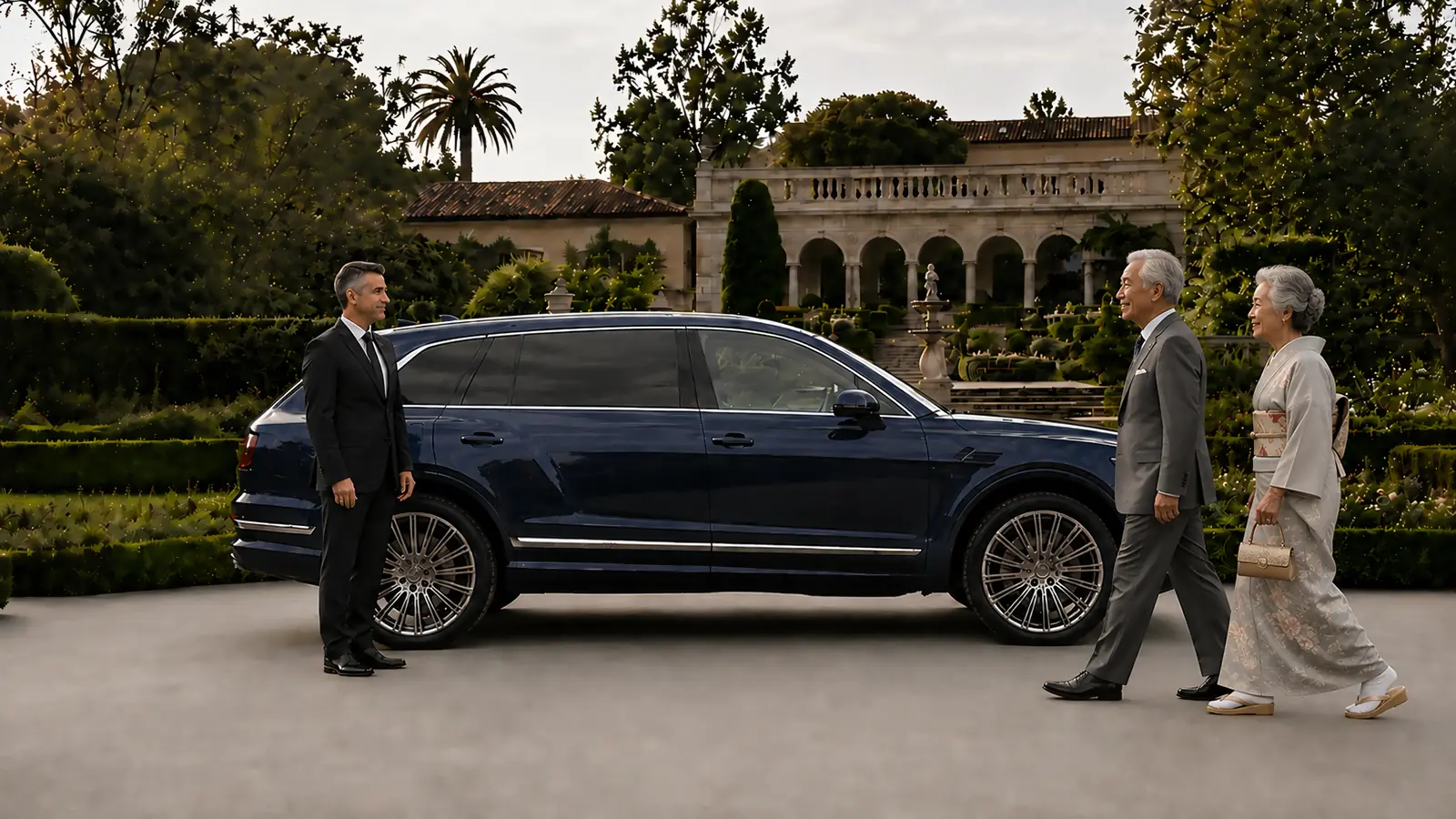
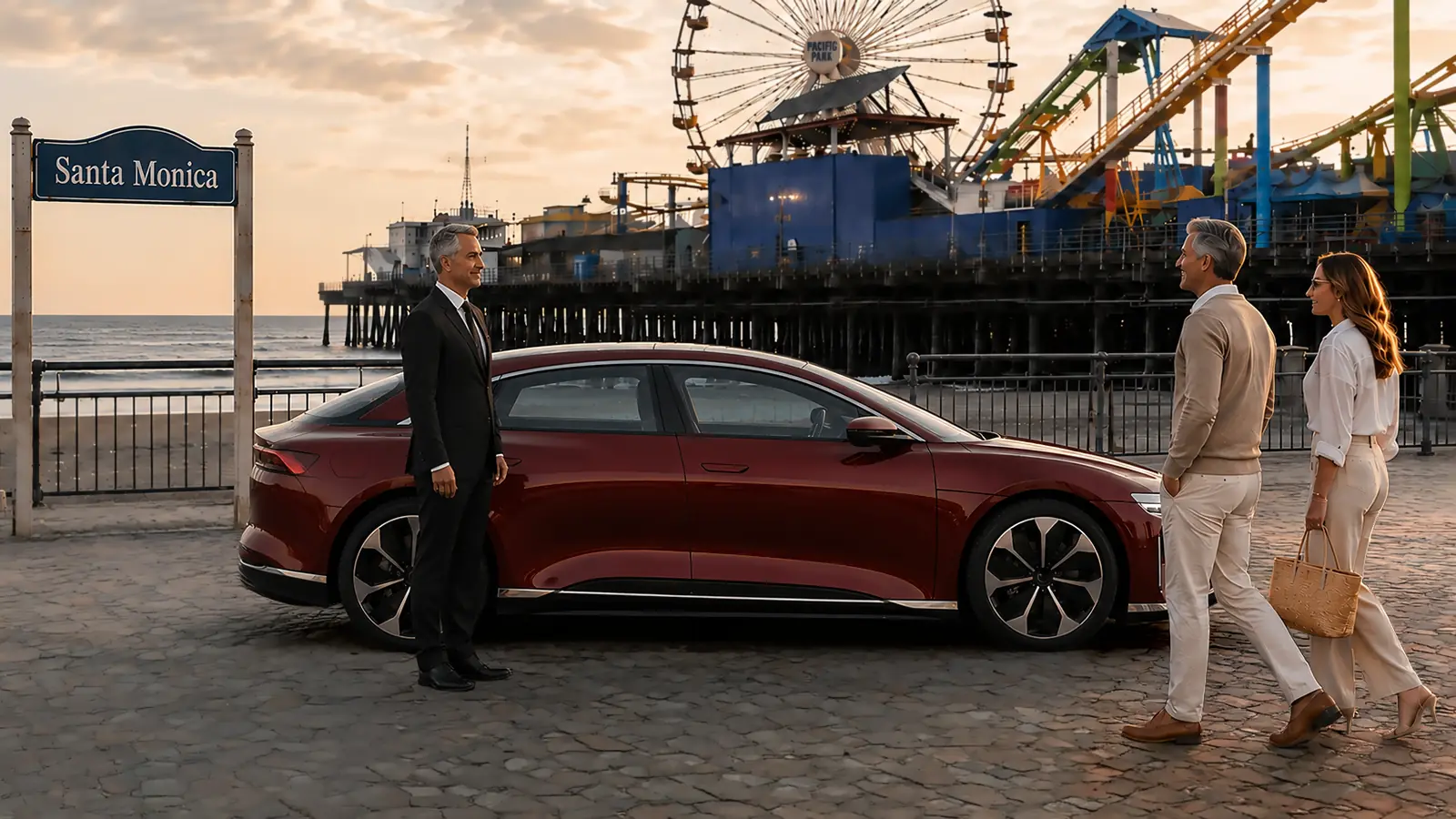
Private driver holding the door of a dark blue SUV for a couple at a hillside home overlooking the Los Angeles skyline.

Private Driver for Your Car in Los Angeles County

Hire a personal driver for your own car in Los Angeles County, from the Valley to the coast.

Your car, protected. Your trust, earned. The Your Car Our Driver promise.
★★★★★ 5.0 on Google

Hover to pause and read

Touch to pause and read

Private Driver Service in Los Angeles County

Los Angeles County Is Several Regions Under One Name

When you hire a driver from Your Car Our Driver, our driver drives your car. You stay in your own car, and a vetted private driver takes the wheel anywhere in Los Angeles County. Los Angeles County is not one city with suburbs. It is 88 cities and dozens of unincorporated communities arranged around several centers that do not share a clock. The Westside fills in the morning. The San Fernando Valley empties toward the pass at the same hour. The San Gabriel Valley moves along the 210 and the 10. The South Bay and Long Beach follow the coast and the harbor. Santa Clarita and the Antelope Valley sit beyond their own mountain passes. A reservation that treats all of this as one city will be late somewhere.

That is why we read a Los Angeles County itinerary by region before we read it by address. The first stop tells us which freeway family the day belongs to and which transitions it will cross: the Sepulveda Pass, the Four Level, a canyon road, the 710 toward the harbor, the 101 into the Valley. Each transition carries its own uncertainty that a mileage total hides.

Naming those transitions before the reservation begins is how we set a realistic arrival window and keep the client out of route decisions between appointments. A Brentwood morning that ends in Pasadena may deserve a different order than the same addresses reversed in the afternoon.

The 405 and the Sepulveda Pass Set the Westside-to-Valley Clock

The 405 through the Sepulveda Pass is the only freeway between the Westside and the San Fernando Valley, and it is the single most predictable delay in the county. Morning traffic climbs south toward the Westside; evening traffic climbs north toward the Valley. A reservation that crosses the pass against that flow is simple; one that crosses with it needs an honest allowance.

The alternatives are the canyon roads (Sepulveda Boulevard beside the freeway, Beverly Glen, Coldwater, Laurel) and the long way around on the 101 and the 110. None of them is reliably faster, and each puts the automobile on narrow pavement with no shoulder. The choice depends on the hour, the destination's side of the Valley, and the client's tolerance for a winding road.

The reservation record should say which side of the pass the day begins on and where it ends, so the assigned person can position the automobile before the commute builds rather than join it. Airport runs from the Valley to LAX are the clearest example: the pass decides whether forty minutes becomes ninety.

"We have built our reputation one client at a time. If any part of your experience falls short of what you expected, I will make it right. You have my word, and every client has my mobile number."

The Downtown Interchanges Decide the Through Route

Two interchanges govern any trip that passes through the center of the county. The Four Level, where the 101 meets the 110 beside downtown, and the East Los Angeles interchange, where the 5, the 10, the 60, and the 101 meet a few miles east, are the points where a through trip commits to its direction. A wrong choice at either one is not corrected for several miles.

A trip from the Westside to Pasadena, from the South Bay to Glendale, or from Long Beach to the Valley will pass one of them, and the hour decides which lanes are moving. A Dodger Stadium release, a convention dismissal, or an arena evening can change the picture in minutes.

The booking record should name the final destination before the automobile reaches downtown, not after. Knowing whether the day ends in the Valley, the San Gabriel Valley, or back on the Westside tells the assigned person which transition to take and which to avoid.

Metro ExpressLanes on the 10 and the 110 Need the Vehicle's FasTrak Setting

The express lanes on the 10 between downtown and the San Gabriel Valley and on the 110 between downtown and the South Bay are tolled, and they require a FasTrak transponder in the automobile. The transponder's occupancy setting changes the toll, and the client remains responsible for the resulting charges.

The reservation notes should state whether the equipment is present, which setting the client wants, and whether a tolled option is authorized at all. An express segment is useful only when it supports the next exit; a lane that moves faster may pass the exit the itinerary needs.

Clients who do not want toll facilities considered should state that preference at booking. Clear authority lets the assigned person follow the instruction without a telephone call from the on-ramp.

The Canyons Are Not Interchangeable

Laurel Canyon, Coldwater Canyon, Beverly Glen, Benedict Canyon, Sepulveda Boulevard, Topanga Canyon, Malibu Canyon, and Kanan Dume Road each connect a different pair of neighborhoods across the Santa Monica Mountains. They look similar on a map and behave differently on the ground: one has a traffic signal every half mile, another has none for ten miles, one closes after heavy rain.

A destination in the hills is often reached from one canyon and not from its neighbor, because the side streets that climb from each canyon do not connect at the top. A Hollywood Hills address off Laurel Canyon and one off Coldwater may be a mile apart and twenty minutes apart.

The reservation should carry the canyon the client uses and the cross street at the bottom of the climb. For an evening return, the client's preferred canyon matters more than the fastest one, because the roads are dark, narrow, and unforgiving of a wrong turn.

Pacific Coast Highway Through Malibu Needs a Same-Day Check

Pacific Coast Highway is the only road along the Malibu coast, and since the fires of January 2025 its condition has changed often: lane controls, closures for repair, and periods when access was limited to residents and workers. We believe conditions will keep changing for some time, and the reservation plan confirms the highway's status on the morning of the trip rather than the week before.

When the highway is restricted, the alternatives are the canyon roads from the 101, Malibu Canyon and Kanan Dume, which add distance and time and do not reach every address. A Malibu itinerary should name the client's preferred approach and a fallback.

Malibu addresses themselves are a separate study. A property on the land side and one on the beach side of the highway may share a number and use different driveways, and a gate on the highway may open onto a steep drive. The reservation should carry a map pin at the gate and a note about where the automobile can turn around.

In a client's words
“Needed to visit 14 locations in greater Los Angeles, a city I have no familiarity with. Worked with Josef by email, got a rental car with my assigned driver (Edwin) and we were able to visit each site. Ed was a careful and professional driver, an interesting conversationalist, and very knowledgeable about the city. I was always comfortable with his driving, and appreciated seeing the items on my list.”

★★★★★
Ken Cook
Five-Star Google Review

LAX Has Its Own Curb Rules

Los Angeles International Airport is a one-way horseshoe with departures on the upper level and arrivals on the lower level, nine terminals and the Tom Bradley international terminal, and curbs that are for immediate loading and unloading only. Waiting at the terminal curb is not permitted; the cell phone waiting lot is where an automobile waits until the passenger is ready.

For a departure, the terminal number, the airline, and the luggage plan belong in the reservation. For an arrival, the useful update is not that the airplane has landed but that the passenger has the bags and is walking out, and which door. Terminal exits are far apart, and the loop around the horseshoe takes time when the airport is busy.

The airport changes its roads, its construction, and its pickup rules often, and the current official signs control. Clear text communication between the passenger and the assigned person keeps the automobile from circling. A private automobile is not sent to the app-based pickup lot; it uses the regular arrivals curb when the passenger is standing at it.

Hollywood Burbank, Long Beach, and Van Nuys Change the Airport Decision

LAX is not always the right airport. Hollywood Burbank serves the Valley, Glendale, Pasadena, and the eastern neighborhoods with a small terminal and short curbs. Long Beach serves the South Bay, the harbor cities, and north Orange County. Van Nuys handles private aviation for the Valley and the Westside. The right choice depends on the airline, the flight, and which side of the county the day begins on.

A Burbank departure from Studio City is a short trip; the same flight from LAX is a long one over the pass. A Long Beach departure from Manhattan Beach avoids the LAX loop entirely. The reservation should name the airport and, where the client has a choice, note which one the itinerary favors.

Private aviation assignments at Van Nuys, Santa Monica, or Hawthorne need the business name, the authorized gate, the aircraft contact, and the expected timing rather than a street address alone. Private aircraft move; an early arrival or a delay should be reported promptly so the service period can be reviewed.

The San Gabriel Valley Follows the 210 and the 10

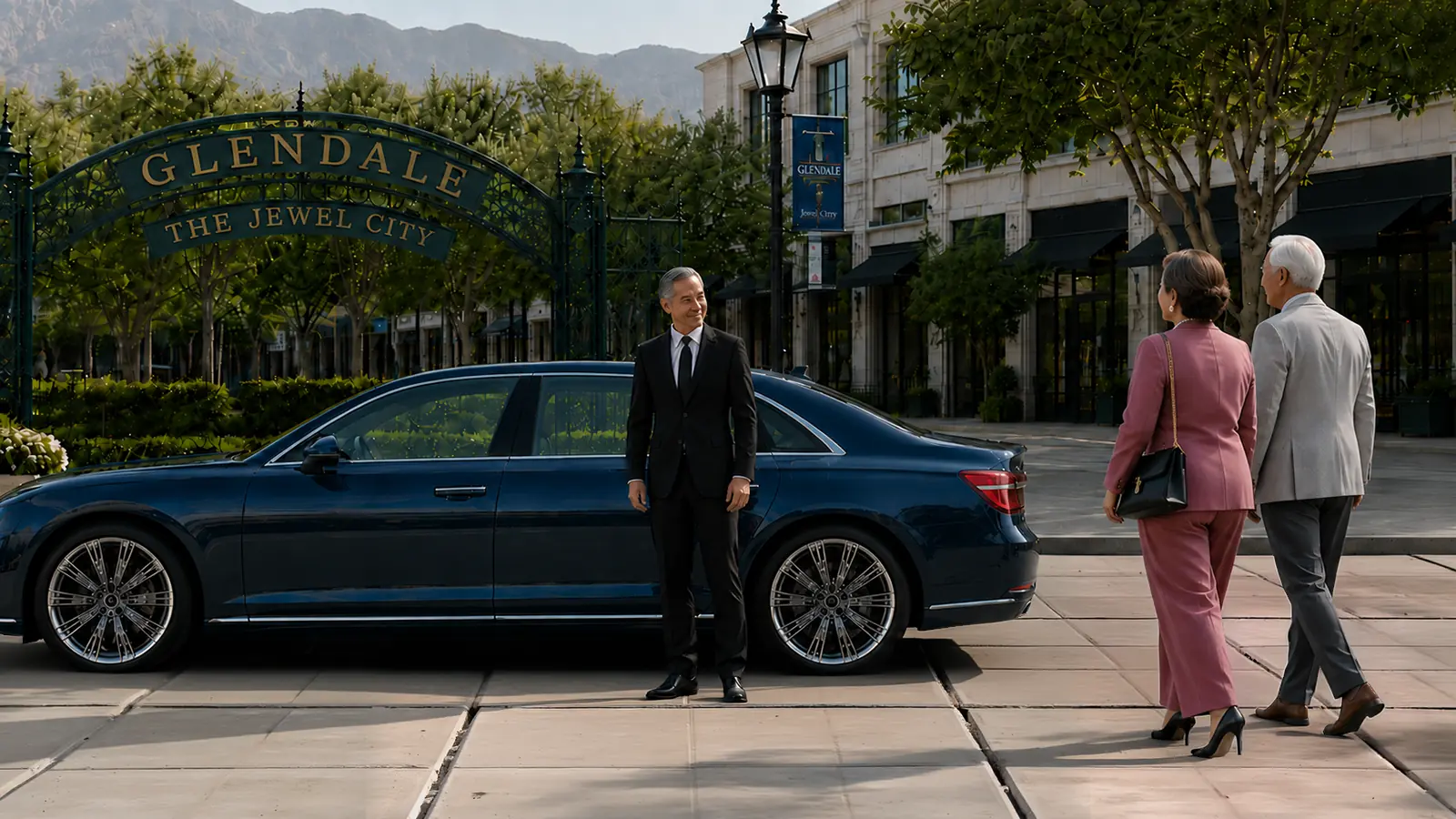
Pasadena, San Marino, La Cañada Flintridge, Arcadia, and the cities east of them are organized along the 210 on the north and the 10 on the south, with the 134 connecting Pasadena to Glendale and the Valley. A San Gabriel Valley day rarely touches the Westside freeways at all, and it should not be planned as if it did.

The Rose Bowl, the Huntington, the Caltech campus, and Old Pasadena each have their own arrival pattern. The Rose Bowl on an event day controls every approach through the Arroyo and releases a crowd onto a few streets at once; the Huntington's entrance is on a side street rather than the boulevard its address suggests.

The reservation should name the entrance, the parking instruction, and the expected release time for any event, and should say whether the day continues west toward Glendale and the Valley or south toward downtown, because those are different exits from the same neighborhood.

The South Bay Approach Depends on the Beach City

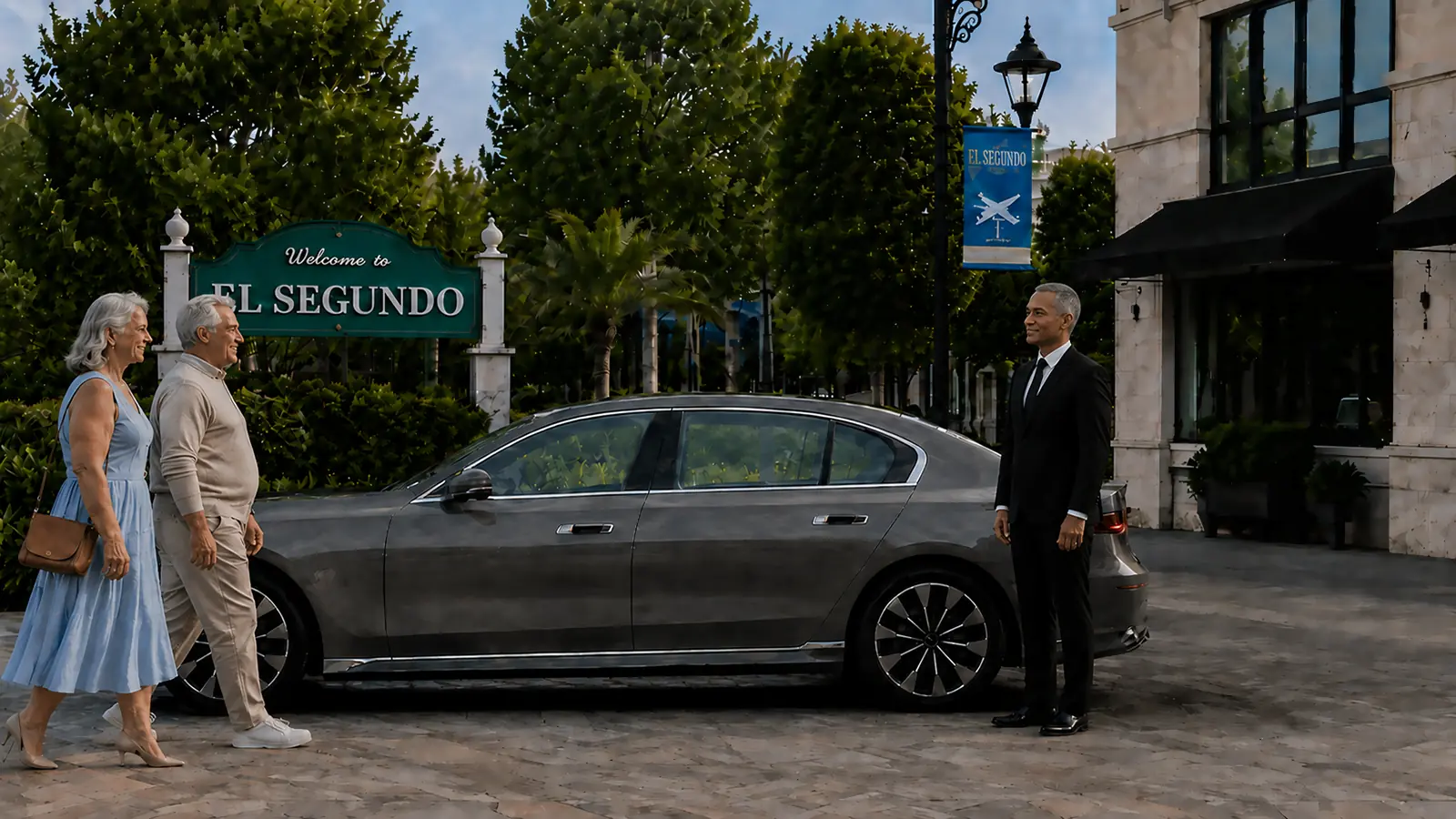
Manhattan Beach, Hermosa Beach, Redondo Beach, and the Palos Verdes Peninsula sit side by side along the coast and are reached differently. The 405 and Sepulveda Boulevard serve the north; Pacific Coast Highway runs the length of the beach cities; the peninsula is reached by its own winding roads with no freeway at all. El Segundo's office corridor beside the airport runs on its own commute.

The beach cities' downtowns have narrow streets, short curbs, and little parking, and an evening in Manhattan Beach or Hermosa is a walk once the passengers are out of the automobile. The practical plan names a cross street for the drop and a corner for the pickup, with the automobile waiting in a lawful position away from the pier.

The peninsula's gated communities and private streets need the same gate name, resident name, and host contact as any other controlled community, and a map pin at the house, because the roads curve and the house numbers are hard to read after dark.

More than 90% of our business comes from repeat clients.

Long Beach and the Harbor Carry Their Own Clock

Long Beach is the county's second-largest city, and the port beside it runs the busiest harbor in the country. The 710 from downtown Los Angeles to the port carries truck traffic at all hours, the cruise terminal and the convention center release crowds on their own schedules, and the Grand Prix closes downtown streets for a week each spring.

A Long Beach itinerary should say whether the day is downtown, in the harbor area, in Belmont Shore and Naples, or in the Bixby Knolls and Los Cerritos neighborhoods to the north, because each is reached from a different freeway exit and each has its own curb conditions.

A cruise departure needs the terminal, the ship, the boarding window, and the luggage plan. The port area's roads change with construction, and the current official signs control the final approach.

Studio Lots Need the Named Gate

Burbank, Universal City, Culver City, and Hollywood hold the studio lots, and each lot has several gates that do not admit the same people. A drive-on pass is issued for one gate and one date, and a visitor who arrives at the wrong gate is sent around the lot, which can be a mile.

The reservation should carry the studio, the gate name or number, the name of the person at the studio who placed the pass, and whether the automobile is admitted to the lot or stops at the gate. A stage number or a building name is useful once inside.

Studio days run late without warning. The assigned person waits in a lawful position outside the lot or returns on a message, as the client prefers, and the final instruction should name the gate the passenger will leave by, which may not be the one they entered.

Guard Gates and Private Streets Change the Arrival Packet

Hidden Hills, the Bel Air gates, Beverly Park, Mulholland Estates, the Calabasas communities, and the private streets of the Palisades and the peninsula introduce a step that an ordinary curb pickup does not have. Security may need a resident name, a guest authorization, a specific entrance, or a description of the automobile. Some communities have more than one gate, and not every gate reaches every street.

The booking notes should identify the approved gate and the person who can resolve an access question. If the automobile begins inside the community, the assigned person may still need directions from the gate to the residence. If the client is being met at a club or another home, the host may need to place the name on a list before arrival.

A gate delay affects every later address, and it is preventable. Spelling, entrance name, host contact, and the expected arrival window are settled before the reservation begins rather than at the guardhouse.

Hillside Addresses Need a Precise Pin and a Turnaround Plan

The Hollywood Hills, Bel Air, Mount Olympus, the Palisades, Laurel Canyon, and the hills above Glendale and Pasadena are built on streets that climb, narrow, dead-end, and double back. Two addresses on the same street can be on opposite sides of a ridge with no connection between them. House numbers are small and unlit, and a gate may be well below the house it serves.

A map pin at the actual gate is more reliable than the postal address. Written gate notes, the name on the mailbox, and a telephone number for someone at the property allow the automobile to arrive without a search. For a large SUV or a van, the reservation should say where the automobile can turn around, because many hillside streets end without room to do it.

Cell coverage in the canyons is uneven. The meeting point and time should be agreed before the automobile leaves the flats rather than confirmed from a switchback.

Unincorporated Communities Have Their Own Address Logic

Marina del Rey, Altadena, Topanga, La Crescenta, Universal City, Rowland Heights, Ladera Heights, View Park, and East Los Angeles are familiar names that are not cities. They are unincorporated county areas, and the postal city on an address may be a neighboring city that does not govern the road.

A familiar community label can hide the roadway that actually controls access. Marina del Rey's addresses sit on a grid of basins reached from Admiralty Way, not from the boulevards that border it. Altadena connects through Pasadena on some streets and through the foothills on others. Topanga is reached only by its canyon.

The complete postal address, map pin, gate instruction, and nearest cross street are more reliable than substituting an adjacent city. This is also why countywide service cannot be represented only by a list of city pages; we serve the spaces between those labels and plan from the actual property.

The Same Street Name Crosses Many Cities

Sepulveda Boulevard runs more than forty miles from the Valley to the South Bay. Pico, Olympic, Wilshire, Santa Monica Boulevard, Washington, Venice, and Main Street each cross several cities, and a street number alone can land in the wrong one. Hollywood is a neighborhood of Los Angeles, not a city, and some addresses with a Beverly Hills postal code are inside the City of Los Angeles.

A note that says a Wilshire office or a Main Street restaurant is not enough for countywide service. The city, the street number, the property name, and the nearest cross street travel together, and the map pin supplies an independent check.

Exact naming becomes more important when several people share the schedule. The person booking may know the company, the traveler may know the neighborhood, and the host may know the preferred entrance. Combining those pieces in one record produces a destination that can be acted on without asking the passenger to reconstruct the address at the curb.

Valet Handoffs on the Westside Require a Clear Key and Retrieval Plan

Beverly Hills, the Sunset Strip, Century City, Santa Monica, and the Westside hotels control the curb through valet operations, and a restaurant on Canon Drive or a hotel on Sunset may have no other way to arrive. The valet ticket, the automobile's location, key custody, and the expected return time should be clear before the passenger enters the property.

The assigned person can remain with the client's automobile when the property permits, use a lawful parking option, or follow the venue's valet procedure. The correct method depends on the establishment and the length of the stop. A brief lunch, an all-evening function, and an overnight hotel stay do not require the same arrangement.

At pickup, the agreed meeting point should be more precise than the property name. A large hotel may have a lobby entrance, a ballroom entrance, a restaurant door, and a residence entrance, each with its own valet stand. Recording the exact door protects the client from walking the length of the property while searching for the automobile.

Parking Structures Need a Retrieval Record

Century City, the Grove, the Westfield centers, the Beverly Center, the hospital campuses, the civic center, and the airport each rely on multilevel parking with letters, colors, zones, and elevator banks that do not connect to every door. The structure name is only the first layer of where the automobile is.

When the automobile is parked, the assigned person records the structure, the level, the row, the nearest column, the elevator bank, and the ticket location. A photograph of the nearest marker supports the written note. That record becomes valuable when the client leaves by a different door, a meeting ends after the property has gone quiet, or the client asks for an item left inside.

Retrieval planning also includes the exit method. A paper ticket, a license-plate reader, a validation, a prepaid account, or a staffed booth may control departure. Knowing the method before pickup lets the automobile appear at the agreed door without an additional search for payment.

Medical Campuses Are Small Cities

Cedars-Sinai, the UCLA medical campus, Keck Medicine at USC, City of Hope in Duarte, Children's Hospital Los Angeles, and the county hospitals each spread across many buildings, several parking structures, and separate entrances for the main hospital, the outpatient towers, the cancer center, and the clinics. The campus name is not the destination; the building and the door are.

Provide the building, the suite, the appointment time, the requested entrance, and the office's instructions. The assigned person can let passengers out at the correct door, reposition the automobile, and return at the agreed time or when the client reports readiness. A procedure day begins early and ends at an uncertain hour, and the name of the person who will send word at discharge belongs in the record.

Your Car Our Driver supplies private transportation in the client's automobile. The company does not provide clinical observation, personal care, lifting, or physical assistance. A caregiver or companion should accompany anyone who requires those services.

Event Venues Across the County Release Everyone at Once

The Hollywood Bowl stacks its parking so that an automobile parked early leaves late. The Rose Bowl controls every approach through the Arroyo. SoFi Stadium and the Intuit Dome in Inglewood, the Kia Forum beside them, and the Greek Theatre in Griffith Park each release crowds onto a few streets at once, and the meeting point afterward matters more than the drop.

The reservation should carry the event, the ticketed entrance if known, the pre-event stop, the post-event meeting point, and the person authorized to change it. The final instruction should reach the assigned person before the crowd reaches the street, because a message sent from inside a stadium may arrive after the corners have filled.

The venues of downtown Los Angeles, the arena beside the convention center and Dodger Stadium, are covered on the Los Angeles page, because their egress is a subject of its own.

Three Keys of Trust

◆

Visibility

Share a live tracking link with anyone you choose so they can follow your vehicle's location in real time.

◆

Communication

Reach your driver by cell.

◆

Assurance

Reach our Chairman and CEO by cell.

Electric Vehicle Details Belong in the Reservation Notes

Los Angeles County clients increasingly use electric sedans and SUVs, and an EV reservation benefits from knowing the starting charge, the expected mileage, the charging connector, the account or app needed at public equipment, and the client's preferred battery range at the end of the assignment.

A Westside dinner may require no charging decision at all. A day that crosses the pass twice, waits at an event, and returns late may. Hills, air conditioning, freeway speed, and an added stop change the useful margin. The assigned person does not assume a charging stop is wanted merely because one is available; the client decides.

Charging location also affects the schedule. Equipment inside a hotel garage, an office structure, a shopping center, or the airport may have access hours or parking conditions unrelated to the charging unit itself. Identifying the preferred option before the day begins avoids turning a planned pause into a search for the correct level.

The Los Angeles County Booking Record Should Answer Local Questions

A strong booking record includes the date, the first meeting time, the exact automobile location, every known address, and the expected end point. In Los Angeles County it may also need a FasTrak preference, a canyon preference, a gate name, a studio pass, a terminal number, a valet ticket, a parking level, a building lobby, a charging instruction, or a venue exit. Those details are not clutter; each one resolves a specific countywide friction point.

Changes are easier when the original plan is precise. If a meeting moves from Century City to Burbank, or a dinner from Santa Monica to Pasadena, the effect on the remaining addresses can be evaluated immediately. If a flight shifts from LAX to Burbank, the whole afternoon changes, and the record shows how. Direct cell access keeps the update between the client and the person responsible for the automobile. Clients also hire a driver to drive their own car long distance, and the same record carries that day.

We do not promise that every Los Angeles County delay can be removed. Freeway incidents, the pass, coastal closures, event releases, security procedures, and changing appointment times remain real. We do promise to build the reservation around the known constraints, keep communication direct, and make route and positioning decisions with the actual itinerary in view.

Employment, Screening, and Direct Accountability

Throughout Los Angeles County, a personal vetted driver is screened first and then retained by the company with employee status. Each person is personally interviewed, background checked, continuously monitored through the California DMV Employer Pull Notice program, and subject to ongoing drug and alcohol screening. Each employee also signs a confidentiality agreement.

The client receives direct cell contact for the assigned person and for our Chairman and CEO. When requested and available, a client may ask for the same personal driver again. More than 90% of our business comes from repeat clients, and that continuity is especially useful for households, assistants, and companies that keep recurring Los Angeles County schedules.

Billing is hourly with a three-hour minimum. Reservations beginning at or after 6:00 p.m. on New Year's Eve have a five-hour minimum. The hourly rate is the same every day of the year, and service is available around the clock by advance reservation. The itinerary, approximate duration, automobile type, access notes, and any waiting periods should be discussed when the reservation is arranged.

Arrange a Private Driver in Los Angeles County

Tell us where the automobile will be, who will be traveling, which addresses are fixed, and which parts of the schedule may change. Include the local details that affect access, such as a gate, a studio pass, a terminal, a lobby, a valet stand, a canyon or toll preference, or a charging need. We will help organize the reservation around the county's actual geography.

If you need a driver to drive your car in Los Angeles County, a driver for hire by the hour is one call or text away. Call or text Your Car Our Driver to arrange a personal vetted driver in Los Angeles County. The automobile remains yours, the itinerary remains yours, and the person at the wheel remains directly accountable to our company throughout the reservation.

Questions about private driver service?

Search our answers, or jump straight to the questions people ask.

See all questions →